

/image%2F0394939%2F20190531%2Fob_6113d1_61425960-10216728261030327-19684367693.jpg)
/image%2F0394939%2F20261012%2Fob_c9cd10_campegiani-franco-2026-diario-poetico.png "Diario poetico di Franco Campegiani a cura di Enzo Concardi,...")
/image%2F6949873%2F20260923%2Fob_5008b3_bateau-lavoir-montmartre-parigi.jpg "Tra l'inizio del Novecento e gli anni Trenta, Parigi è stata...")
/image%2F0394939%2F20260929%2Fob_ee6e38_campegiani-franco-2026-diario-poetico.jpg "Diario poetico di Franco Campegiani a cura di Enzo Concardi Guido...")
/image%2F0394939%2F20260921%2Fob_9dd7e4_9791256860807-0-0-536-0-75.jpg "’70 Profumi Giorgio Billeri Edizioni Il Foglio, 2026 pp 211 14,00...")
/image%2F0394939%2F20260920%2Fob_7b0c49_comberiati-nicola-2026-al-il-risvegl.png "Nicola Comberiati Il risveglio dell’amore Guido Miano Editore,...")
/image%2F0394939%2F20260917%2Fob_de7175_piras-salvatore-antonio-2026-il-volo-d.png "Salvatore Antonio Piras Il volo dell’aquila Guido Miano Editore,...")
/image%2F0394939%2F20260917%2Fob_20269e_narciso-fulvia-donatella-2026-al-spl.jpg "Fulvia Donatella Narciso (in arte Vulfia Scaroni) Splendori di...")
/image%2F0394939%2F20260909%2Fob_1fed42_ragozzino-angela-2026-luce-che-resta.png "Angela Ragozzino Luce che resta - Ti cerco nei giorni Guido Miano...")
/image%2F0394939%2F20260909%2Fob_fce765_salvador-francesco-2026-oblio-e-approd.png "Francesco Salvador Oblio e approdi Guido Miano Editore, Milano...")
/image%2F0394939%2F20260822%2Fob_7d1a06_comberiati-nicola-2026-al-il-risvegl.png "Il risveglio dell’amore Nicola Comberiati Guido Miano Editore,...")
Giovanna Iammucci, "Memorie di una strega"

Ero curioso di leggere questo romanzo e devo dire che non sono rimasto deluso. È la storia di un percorso iniziatico, fantasioso, sempre avendo presente che c’è nulla di più reale che il fantastico. L’autrice colloca questa storia di crescita di una Janara (Strega, Maga, forse derivato dalla Dea Diana), della consapevolezza dei suoi poteri, lungo un percorso di ricerca interiore ed esteriore in un’epoca indefinita, che anche il linguaggio usato nei dialoghi rende piacevolmente incerta. Un aspetto voluto, non lasciato al caso, perché l’autrice vuole che la sua protagonista, Donna Isabetta, sia di ogni tempo. Azzeccatissimi i nomi dei vari personaggi: non è una cosa facile, che ha la sua importanza. Il lettore percorre quindi una storia che va dagli albori familiari, intersecandosi con i saperi antichi, figure ancestrali, legami di sangue, lotte, diatribe, avventure che diventano rivelatrici, quindi mondi di incantesimi, sette e fate, fino all’epilogo. Il racconto è disseminato da piccole e grandi sorprese che animano piacevolmente la storia. Una lettura quindi senz’altro gradevole, ma quello che io personalmente ho trovato più interessante è il legame dell’autrice con la sua identità, che è ben radicato in terra campana, terra di Streghe, di ‘Janare’ e ‘Magare’, come tanta Italia e tanto Sud, senza escludere tutta l’argomentazione europea, di cui peraltro l’autrice è influenzata. Il Sud è topos geografico peraltro che ha a che fare con le Streghe, anche per il noto premio letterario e il suo irrinunciabile sponsor, ‘Lo Strega’ beneventano, davvero ottimo e con il quale si fanno pure eccellenti gelati. L’autrice è legata al rapporto antico con le forze della natura, con le sue concrezioni fisiche e spirituali, con le stratificazioni che ne fanno parte. Un aspetto che non è alieno alla mia sensibilità. Queste sono generazioni che ancora possono avere un legame con antichi riti e sapienze, e specialmente per chi ha qualche anno in più è facile ripescarli nel cofano delle proprie memorie. Altre persone, o pure coloro che hanno ereditato determinate tradizioni, possono comunque recuperare specifici saperi attraverso rigorose ricerche e la pratica stessa. La narrazione della Iammucci si infarcisce di opportuni riferimenti storici, invocazioni, citazioni letterarie e anche storiche relative alla caccia alle streghe, alle festività che in qualche modo vi sono vincolate.
Un altro aspetto che mi piace è che l’autrice narra tutto con freschezza, con un’inconsapevole dolcezza e leggerezza, accompagnando tutto con un filo di eros e trasmettendo la chiara importanza che per lei ha questa riappropriazione, questa dimensione archetipica femminile, di indipendenza e legame con la Madre Terra. Di fondo Isabetta è l’autrice stessa, pur non essendo un’autobiografia romanzata.
Giovanna Iammucci nasce a Torino nel 1980 ma risiede ad Olevano sul Tusciano in provincia di Salerno. Ha pubblicato due romanzi L’altra metà dei miei occhi e Memorie di una strega editi da Aletti Editore, oltre ad aver partecipato a concorsi importanti come “Il Federiciano” (Aletti Editore), “Il Tiburtino” (Aletti editore), il “Cardile” (Il Saggio editore), “Auletta Terra mia” (Il Saggio editore), “Concorso internazionale di poesia l’Angelo” (Il Saggio editore). Partecipa inoltre al concorso nazionale di narrativa “9 settembre 1943, Operazione Avalanche” (Il Saggio editore) aggiudicandosi un posto nell’antologia. Ha pubblicato varie poesie nelle antologie della Aletti e anche sulla rivista de Il Saggio. Alcuni suoi monologhi sono stati interpretati teatralmente in eventi locali.
Collabora con la rivista “Il Saggio” (Eboli- SA) e ha scritto varie recensioni.
Note biografiche di Gino Pitaro:
Nel suo percorso svolge varie attività, tra cui quella di redattore e di documentarista indipendente.
Nel 2011 il suo esordio con I giorni dei giovani leoni (Arduino Sacco Editore), poi per la Ensemble pubblica rispettivamente nel 2013 e 2015 Babelfish, racconti dall'Era dell'Acquario e Benzine, vincendo numerosi premi letterari.
La Vita Attesa è il romanzo per Golem Edizioni pubblicato nel 2019
L'autore vive in provincia di Roma.



Giovanna Strano ci parla del suo ultimo libro


Giovanna Strano, già autrice de La Diva Simonetta, ci presenta il suo ultimo romanzo.
Il sogno, la realtà. Una dimensione a mezz’aria crea appagamento. Il romanzo fantasy Il bianco gelsomino di Giovanna Strano, Delos Digital, ha un sottotitolo che ne riassume la sostanza: non esistono amori impossibili.
Emozionante e denso di magia, narra una storia fantastica in bilico tra realtà e sogno. La protagonista è Maria Luce, una giovane donna imbrigliata in una vicenda surreale, che la coinvolgerà profondamente nei sentimenti e nel suo stesso modo di essere.
Luce acquista una vecchia casa per andarvi a vivere da sola, conquistando l’indipendenza dai genitori. Al primo accostamento con l’abitazione, ancora da ristrutturare, ha una visione che le riporta alla mente un episodio, senza spiegazione, avvenuto quando era bambina.
All’interno della casa la donna riscopre una nuova dimensione di appagamento. Ma presto accadono eventi inspiegabili, in quanto Luce avverte una presenza estranea che la notte, durante il sonno, le sta vicino.
Da sfondo alla narrazione vi è la bellissima isola di Ortigia, a Siracusa, gioiello pulsante del territorio siciliano, ricca di spunti artistici e culturali che coronano lo svolgimento. Si susseguono momenti straordinari di trasposizione nel passato e l’accostamento con un’entità impalpabile scatena l’amore, la passione.
Eppure qualcosa di estremamente insidioso si aggira tra le mura antiche della casa. La narrazione trascinante conduce il lettore nei meandri dell’inconscio e dell’onirico, ponendo domande cruciali insite nella fragilità dell’esistenza.
La giovane donna ne resta imbrigliata senza via di scampo. Sceglierà di vivere o di vagare eterea nell’aria? Ma qualcun altro deciderà per lei. Indissolubilmente.
Andrea Mauri, "Contagiati"

Contagiati di Andrea Mauri (Edizioni Ensemble 2019) è una narrazione ossessiva sulla caducità delle relazioni umane, sul senso psicoanalitico di angoscia che separa la mente dal corpo con il cambiamento inevitabile delle patologie improvvise che influenzano i legami con gli altri. La fredda ed implacabile indicazione delle storie è un'esecuzione prolungata di insicurezza ed esitazione, contaminata da ogni influsso negativo conseguente ad ogni sentimento di umanità, diffusa in un'apprensione corale quando il contagio si impone a scompenso aggressivo dell'intelletto e priva l'onesta maturità dei rapporti umani. Il castigo corrisponde alla colpa e la sofferenza è la riflessione sull'incomunicabilità, il tormento insistente ed assillante è tradimento e separazione. L'autore riconosce la trama maniacale del malessere emotivo e ammette la manipolazione della solidarietà. L'ansia disastrosa di isolamento impulsivo che orienta i racconti è il cedevole scenario in cui si proietta l'interpretazione trattenuta e soffocata della vita, nel contesto terapeutico della cura decadente alle affezioni della realtà. Ogni racconto è comunicazione satura di estraneità nella sfida quotidiana e morale per la guarigione, nell'assurda ed illogica contraddizione dei protagonisti, custodi della dolorosa difficoltà, disperata e vitale, di sostenere il tempo ed impedire il congedo dalla vita. I personaggi ammettono la debolezza malinconica e fiera di chi rivolge lo sguardo alla fine e vivono affatturati, ammaliati da pensieri filosofici impassibili ma nell'intento introspettivo di dare un significato alle loro vicissitudini ne diventano ineluttabilmente schiavi. Spaventati da un eccesso di lucidità, scossi da caotici clamori, si abbandonano a nocivi ed impazienti monologhi. Lo stile dell'autore, autentico, sano ed essenziale implica nelle parole incessanti il coinvolgimento apprensivo di ogni confessione e le variazioni dell'inquietudine dilatano una letteratura della fine contro la fine, come principio nella finalità inviolata di un antidoto che coesiste con le nostre tensioni, con il decoro della cognizione, con la sapienza dell'accortezza. L'omaggio all'inizio del libro ne è serena profezia: “A chi ama lasciarsi contagiare dalla vita”.
Rita Bompadre - Centro di Lettura “Arturo Piatti”
“A volte i pensieri sono come delle infezioni, e alcuni diventano vere e proprie epidemie. Wallace Stevens “
-----------------------------------------------------------------------------------------------------
“La campagna circostante aveva perso ogni riferimento. Si erano perduti alberi, cespugli, giardini, steccati, pullmini. Niente. Il deserto. Il silenzio di una città morta. Faceva freddo sull’ultimo gradino, ma non avevo intenzione di rintanarmi in casa: là dentro mi aspettava la quarantena, ancora più incattivita. Alla fine sono crollata, come addormentata sulla terra nuda.”
-----------------------------------------------------------------------------------------------------
“Sono sicuro che tornerai con il clima più clemente, in tempo per raccontarti del miracolo dell’inverno e della nuova fioritura, che si preannuncia feconda. Solo per questo regalo inatteso non tutto è perduto. Il roseto ci inchioda alla terra madre, ci costringe ad aspettare il vento del sud e con lui tutte le rose, le più stravaganti e le più resistenti che deciderai di portarmi.”
-----------------------------------------------------------------------------------------------------
“È la luce che il sole ha regalato alla luna, dopo essersi lamentata di essere troppo piccola e di non contare niente nell’universo. Il sole sembra disinteressarsi delle vicende del cosmo. Lo colpì il coraggio della luna e così decise di regalarle una parte della sua luce. La rese così importante che da quel momento in poi avrebbe scandito il tempo degli uomini sulla terra, lo scorrere delle stagioni, il ripetersi della vita.”
---------------------------------------------------------------------------------------------------
“È sufficiente abbandonarsi alla magia delle parole, all’alchimia dei testi costruiti con l’immaginazione o con la paura di sognare perché niente vada perduto. Ogni dettaglio serve a ricostruire la realtà. Ogni dettaglio va scritto per recuperare la parte sana
del corpo.”
Globalizzazione

«Ti ricordo che domani abbiamo compito in classe, quindi spegni quell’affare.»
Michele, non rispose, si limitò ad annuire con impercettibili cenni del capo.
«Francamente non ci tengo a beccarmi un due in matematica per colpa tua» protestò Marcello, sempre più spazientito.
«Non ti scaldare, abbiamo un mucchio di tempo per studiare» lo tranquillizzò Michele, dandogli un minimo di attenzione.
Marcello lo fissò con aria interrogativa, si chiedeva cosa stesse cercando su Internet, difatti, dall'angolo in cui stava seduto, non riuscendo a scrutare bene il PC e non avendo voglia di alzarsi dalla sedia da scrivania, glielo domandò.
«Sembri molto preso. Che diavolo stai combinando?»
«“Diavolo”? Non sarebbe un'idea da scartare!» esclamò il suo compagno di scuola e, tramite iTunes, fece doppio clic su un'icona per riprodurre il brano La danza delle streghe di Gabry Ponte, per cantarla forsennatamente e per di più storpiando il ritornello.
«Danzano le streghe, danzano le streghe, di Michele Fonte, Michele Fonte Michele Fonte…»
«Sei proprio divertente. Però non hai risposto alla mia domanda».
«Siamo quasi ad Halloween, al Green Lantern ci sarà una festa a tema e non so come vestirmi. Magari da vampiro? Oppure da lupo mannaro?»
«Ah, quella sorta di carnevale in versione dark? A mio parere qui in Italia l’ho sempre vista come un qualcosa di artificioso» gli fece notare Marcello grattandosi il mento, perplesso.
«Compare, sveglia, non esistono solo carretti e pupi siciliani, la Festa di Sant’Agata di Catania o qualsivoglia. E sappi che al Green Lantern ci andremo insieme!»
«Manco morto!» tuonò l’altro con un cenno di no con il dito.
«Vedi? In qualche modo stai entrando nello spirito della ricorrenza. L’hai detto proprio adesso: manco morto!»
Marcello rise forzatamente, non gli andava di prestarsi ad una gazzarra halloweeniana.
«Mi prometti che non ti offendi?» gli chiese Michele.
«So già cosa vuoi dirmi, ovvero che sono mostro già così e che non c’è bisogno né di costume e né di trucco».
«No, non è questo!»
«E allora cosa?»
«Credo di essere sempre stato sincero con te, no?»
«Esatto. So che lo sei e su questo non ci piove!»
«A scuola ti ritengono retrogrado e non hanno mica tutti i torti. Hai mai sentito parlare di globalizzazione?»
«Sì, so cos'è! E allora?»
«Come ben sai è un fenomeno dal processo inarrestabile, inoltre non è affatto male condividere le culture, gli usi e i costumi di altri paesi e… soprattutto le feste!»
«Ma che cavolo dici?»
«Marcè, è inutile negarlo, sei rimasto indietro. Ti consiglio di metterti a pari passo con la società, quindi aggiornati ed evolviti».
Dinanzi a queste parole, Marcello restò colpito tant’è che annuì all’amico con complicità.
«Ok, adesso andiamo a ripassare» gli disse Michele, dandogli una sonora pacca sulle spalle.
«Mi permetti di usare il tuo computer? Prepara libri, penne e quaderni, siediti tranquillo, che io intanto…»
«Che devi cercare?»
«Beh, visto che devo adattarmi alla globalizzazione, innanzitutto desidero dare un’occhiata al calendario delle feste giapponesi e sapere la data esatta del Capodanno cinese».
«Feste giapponesi? Capodanno cinese?»
«Le cose o si fanno fino in fondo o non si fanno proprio» gli rispose il neo globalizzato, digitando frettolosamente sulla tastiera. «E adesso scusami, vado pure su E-Bay, per acquistare un dragone di cartapesta e dopo su YouTube per imparare la Danza del Drago» concluse.
Michele lo guardò, sorridendo.
«Temo che la globalizzazione l’abbia presa un po’ troppo seriamente» pensò, ironico.
LE NOVE DOMANDE E MEZZA PIU’ PAZZE DEL MONDO…MA NON TROPPO: Laurent Verchen de Vreuschmen
- ) A scuola eri un secchione? Sì? No? Perché?
- ) Il tuo libro è consigliato per chi e perché.
- )Al bar stai inzuppando il cornetto nel cappuccino, di fianco a te si siede Eduardo de Filippo, che gli chiedi?
Intervista con l'artista: KEITH HARING
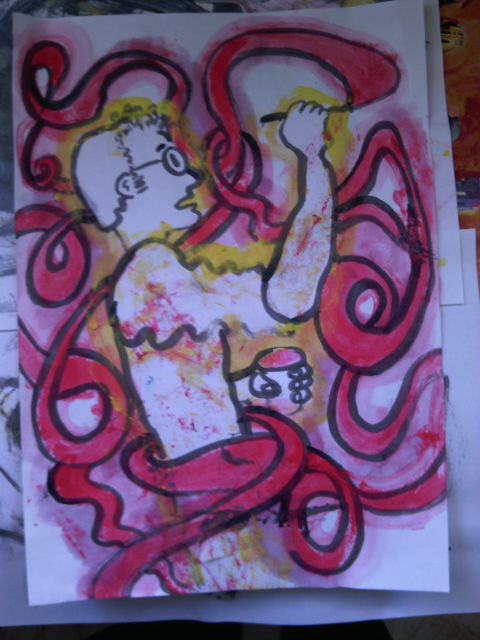
Disegno di Walter Fest
Welcome back, readers of signoradeifiltri, here we are for a new appointment. For this occasion, after meeting many old artists, today I introduce you to a young man.
Unfortunately, we still have a problem with our means of locomotion, in this last period we are not very lucky, but in our blog we have the most powerful antivirus in the world and, therefore, Matteo Gentili, the great writer lent to motoring, gave back to us the 600 by minibus, borrowed from the pacifist nuns, perfectly in order, just missing the engine. On the other hand, he installed a pedal, so now, assisted by my Libereria team of pedalers, pedaling we will go to get the young Keith Haring.
I introduce them, they are all passionate writers with a loose verb, today they will pedal for you: Marta Bandi, author of Parlami di un fiore, Roberto Inzitari, author of Se rinasco m’impegno di più, Roberto Stasolla, author of Il Valore del peccato Alessandro Mazzà, author of Ne varietur and Laurent Verken de Vreuschmen author of Qualcuno inadeguato.
But you look carefully, stop to imagine, between the lines you will see hearts full of love, the names are the cradles of the questions that I protect, that I am afraid, that I contain, so much missing, nothing is missing who saves your heart has saved you whole . @ libereria2017
Come on guys, you have the mini bar, color TV, a giant picture of Totti, pastries, chocolates and the vanilla-scented environment, so now we pedal, we are late.
For those who have not understood, this car goes by pedal, on the other hand it does not pollute and does not consume fuel. Excellent for athletic training, you will soon see similar ones going normally on all national and international roads. Guys, don't complain, there are those who pay to go to the gym, aren't you happy? But here, I see Keith Haring at the end of the avenue. Very well, I call him.
- Hi Keith!
- Hi everyone, nice this bus!
- Keith, can I introduce you to my friends?
- Of course, what are you doing?
- We are writers.
- Writers? Interesting ... Guys, where are you taking me?
- We can go to Pisa and then take a ride to the sea, would you like to pedal?
- Oh yes, good idea. On a wall of that city there is a piece of my heart.
Keith Haring (Reading, May 4, 1958 - New York, February 16, 1990)
Keith Haring can be considered a predestined artist because, thanks to the influence of his father, passionate about comics and graphics, he has shown great interest in the world of comics since childhood. After the first school phase, his father made him continue his studies in the field of advertising graphics, very fashionable at that time, but Keith's personality led him to go outside the box. He could not stand the cold tools typical of graphics, the sitting at a table keeping his imagination in check. The limits of the advertising standards were not for him and so he abandoned his studies. To support himself, like many young people, he practiced many different jobs, a situation that did not prevent him from drawing and reading. At twenty years of age, in his enthusiasm and creative strength, he organized his first exhibition. From Pennsylvania he moved to New York, the big apple was the capital of American art, he enrolled in the art academy and started an exciting new life, he made contact with new friends and the fun was guaranteed, the maximum for a promising young man.
But the school, the walls of the school building, are like a prison, the didactic rules of artistic learning once again a loop in the throat, cuffs for the wrists and a sleeping pill for his imagination. So he still leaves school and goes out into the street, every corner is a source of inspiration, freedom of expression is total and Keith Haring is not alone. There is an air of pictorial anarchy among young people, no myth to follow, no master to imitate, street art is fire and flames of colours, a whirlwind of novelty among young people.
In 1980 the first underground exhibition took place in which Keith Haring participated with great enthusiasm. Street art was now his home and the other art writers were his brothers, the subway, probably because it was sheltered from the weather, the safest place to do a laboratory.
Keith Haring did not take long to succeed and so, thanks to a gallery owner who had had a forward-looking eye, in 1982, with his personal exhibition in which some established artists intrigued by Keith's inspiration participated as visitors, he began his climb.
His originality took him around Europe and by the end of the 1980s he had become a star. Unfortunately New York could have been heaven but also hell, the artist in those years contracted the unfortunate disease of the century. While his state of health progressively worsened, he managed to create his last great work Tuttomondo in Pisa, Italy. Upon returning to New York, on February 16, 1990, still very young, he died. The art world lost one of its most talented figures.
- Keith, drawing for you was like the voice for a singer, how did you feel when you drew?
- Walter, it was so easy for me, the pencil, or any of my tools, was one with my arm. I drew effortlessly - the lines, the curves, the features with which I created my figures - for me it was like dancing, floating with the fantasy on the sound waves of my happiness, inside me I felt invisible music and my hand went alone on the rhythm that made me feel good. Did you ask me how I felt? I felt light, almost transparent but still with great strength. In those moments I had the strength of Popeye.
- When you moved to New York, were you afraid? You left the province for a megacity.
- At home, of course, I was feeling well, even if, with a pencil in my hand and a stylus, I turned into a super hero, with my round glasses, a few dishevelled hairs on my head, my slouchy walk, like a comic always with the usual sweatshirt. In short, I felt a little out of place, on the one hand I was a weak boy, as an artist I was in ecstasy on another dimension and, at that moment, only New York could give me the opportunity to make my dreams come true.
- Keith, what was your relationship with people?
- I liked people, I have never been a lone wolf, I loved working in crowded places where everyone could enjoy my imagination, anyone could ask me what I was doing and I loved to answer, explaining and laughing with them, in short, mine artist life was alive, lively and fun.
LE NOVE DOMANDE E MEZZA PIU’ PAZZE DEL MONDO… MA NON TROPPO: PATRIZIA POLI
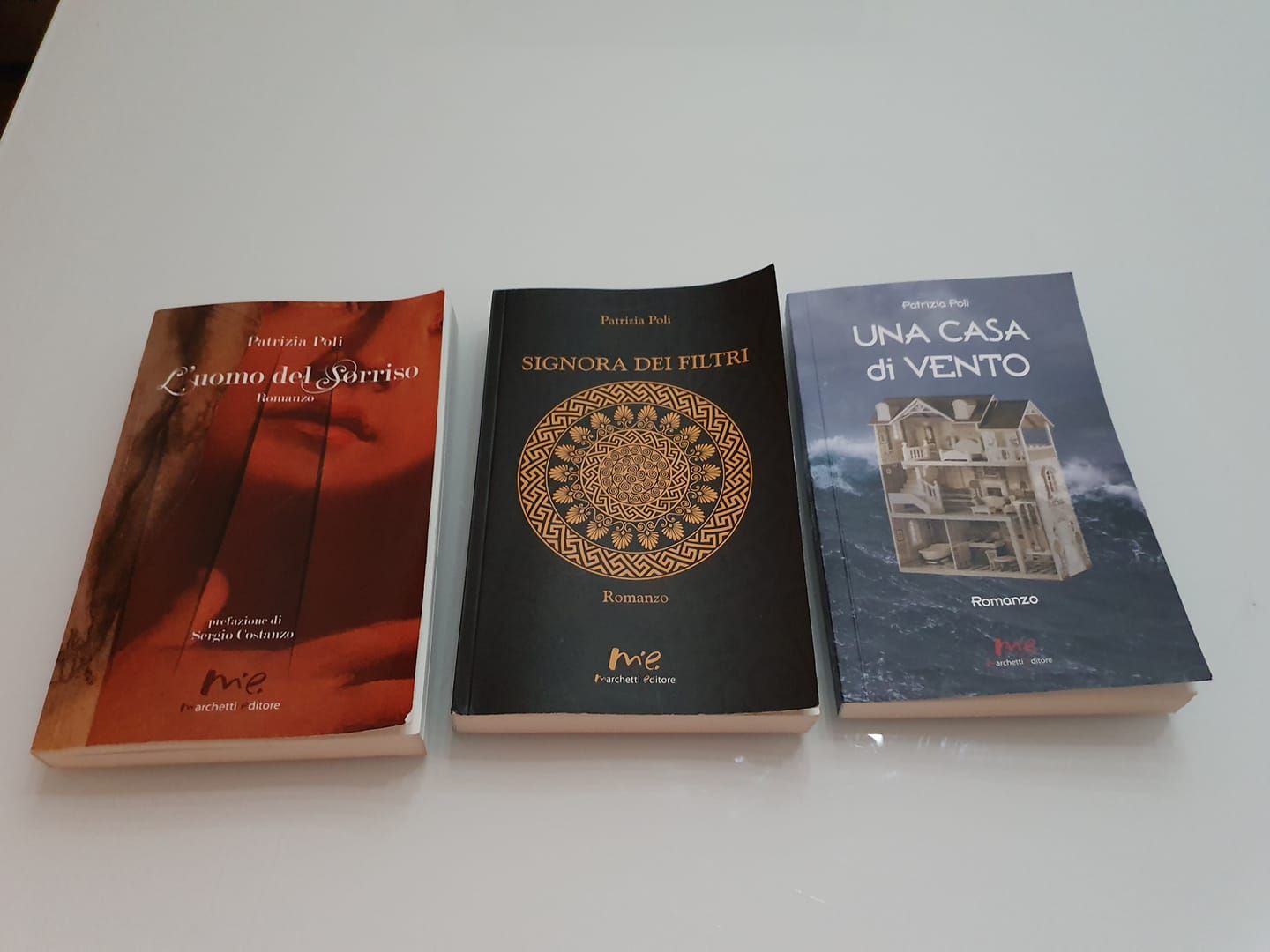
Amici del blog che fra le nuvole contemporanee lancia raggi di sole culturale, non poteva sfuggire al nostro appuntamento la super blogger toscana, Patrizia Poli, la nostra amica che, dietro un viso dai tratti gentili e timidi, cela una donna capace di esprimere, attraverso la forza delle sue parole, un’energia che ti contagia e ti avvicina alla lettura.
Ora ho la possibilità di farvela conoscere un po’ più a fondo, queste sono le domande che stiamo per rivolgerle.
1) signoradeifiltri.blog sta scalando le vette delle preferenze, qual è la ricetta del successo di pubblico?
Credo che sia la costanza. Il blog è aperto dal 2012. Otto anni in cui non mi sono mai arresa e, con perseveranza, ho pubblicato quotidianamente contributi interessanti. E l’ho fatto solo per il piacere di farlo, senza pensare se qualcuno leggesse oppure no, senza inseguire il successo a tutti i costi o stare per forza sul pezzo. E la gente ha capito e seguito perché gli argomenti sono tanti e vari, spesso di nicchia e insoliti. Poi mi sono avvalsa, negli anni, di collaboratori entusiasti e competenti come te, una bella squadra che ha fatto la differenza.
2) Con un fulmine Re Artù ti ha colpito e ora puoi viaggiare nel tempo. In che epoca preferiresti andare e perché?
Amo il Medioevo ma penso che non fosse comunque una bella epoca per vivere. Pestilenze, guerre, caccia alle streghe, tribunale dell’Inquisizione e ogni gesto della vita quotidiana permeato di fede e riportato alla religione. Pare che facesse anche più freddo di adesso. Amo il Medioevo ma solo nei libri e nei film. Forse sarei stata più adatta a vivere nell’Ottocento, anche se pure lì la speranza di vita era bassa e si moriva di tisi a trent’anni. Mi vedo a Haworth, nello Yorkshire, aggirarmi per la brughiera chiamando Heathcliff. Una cosa molto romantica e tempestosa.
Per tornare ad Artù, ho appena finito di scrivere un inedito basato sulla materia di Bretagna. È stato il libro che mi è venuto più facile, forse perché sono quaranta anni che ho in mente questa storia e questi personaggi. È il più romantico dei miei libri e anche quello più dolce. Artù è un grande, è la regalità fatta persona, è l’axis mundi.
3) Scegli un artista del trapassato per la tua copertina.
Dante Gabriel Rossetti
4)Il tuo mantra per descrivere il tuo stile.
Riscrivere e riscrivere all’infinito.
5) Il tuo colore preferito.
Rosa.
6) Consiglia uno dei tuoi libri e perché?
L’uomo del sorriso. Quello al quale sono più legata, il libro della vita, scritto con amore e dolore.
7) Hai di fronte l’A.D. della tua casa editrice, una a caso, Marchetti… Come la convinceresti ad accettare che, in occasione della presentazione di un tuo libro, ti metta una parrucca tipo Jessica Rabbit? E per quale tuo libro ti presenteresti cosi?
Farei presto a convincerla perché è una ragazza allegra, pazzerella e intelligente. Ma non mi vedo nei panni di Jessica, piuttosto di Rabbit, il marito coniglio. Forse lo farei per presentare Bianca come la neve, la storia di una vampira.
8) La Toscana è una fucina di grandi letterati perché?
Perché ha la lingua più bella del mondo, è la culla dell’italiano. No, anzi, è l’italiano.
9) La canzone preferita che canti sotto la doccia.
Non canto, parlo da sola.
1/2)Devi litigare con qualcuno, userai i versi di Dante Alighieri della Divina commedia, quali?
"Al cul fece trombetta".
Molto bene amici della signoradeifiltri, ringraziamo Patrizia Poli per essersi aperta per voi, perché una scrittrice come lei potete considerarla una vostra amica, una delle migliori.
Ci rivediamo al prossimo scrittore, qui sempre su questo blog, e sarà comunque un piacere.
Dissipatio H.G. ai tempi del virus
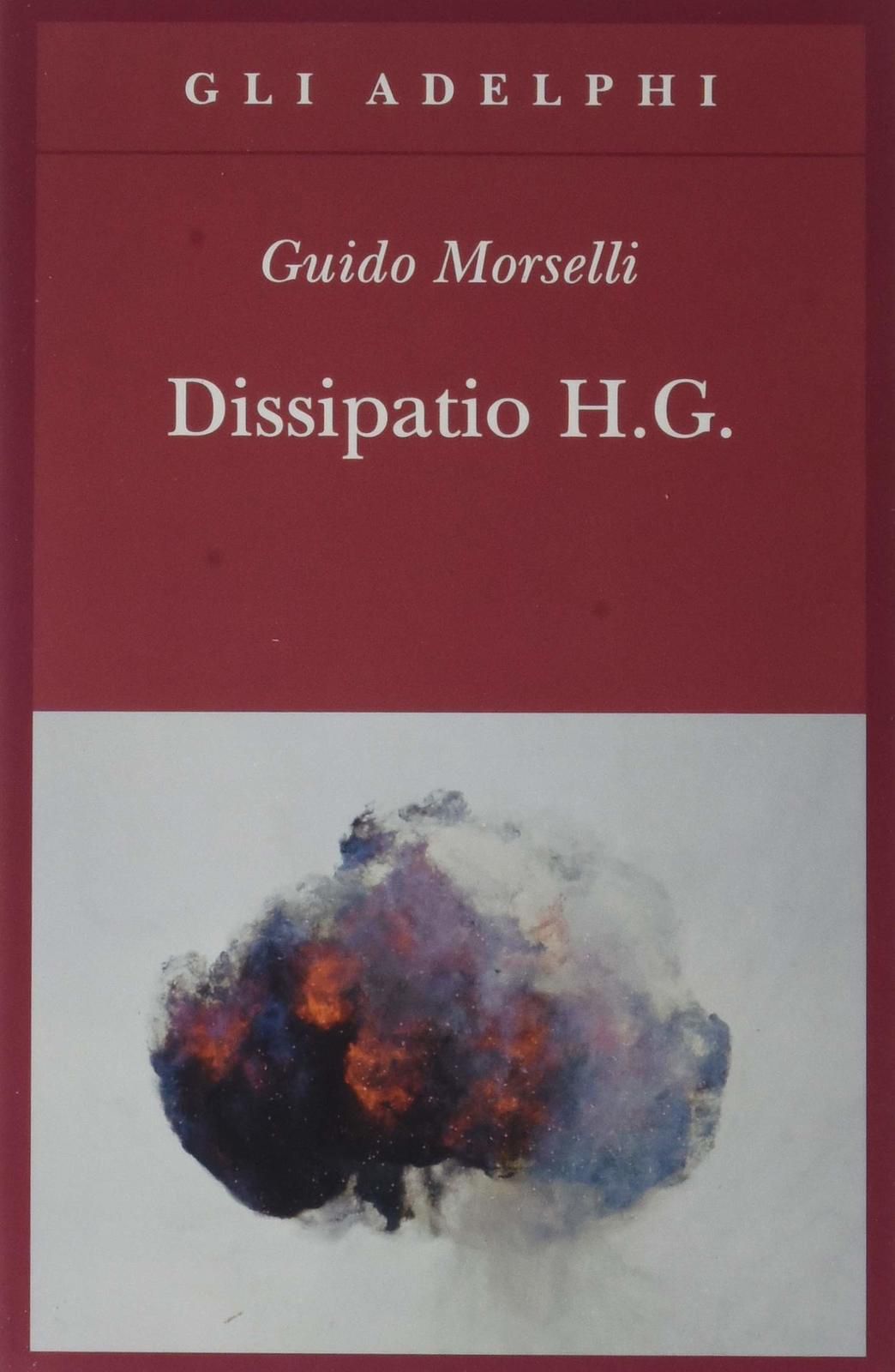
Di Guido Mina di Sospiro
Tradotto da Patrizia Poli, originalmente pubblicato da New English Review
Immaginiamo un adolescente cervellotico che ha studiato troppa filosofia e troppo latino e, in generale, ha esercitato il cervello troppo per il suo bene. È diventato così maladattato al luogo e al tempo in cui vive che vorrebbe leggere un libro intitolato Contro la società: manuale di autodifesa per solipsisti. Invece s’imbatte in una nuovo testo Dissipatio H.G., di un certo Guido Morselli, pubblicato postumo. Morselli, come s’è venuto a sapere, era un collezionista di rifiuti; beatamente apolitico, sebbene gli editori conoscessero sia lui sia il suo considerevole talento, lo rifiutavano in serie poiché non apparteneva alla conventicola di sinistra.
Il titolo sta per Dissipatio Humani Generis, una frase estrapolata dagli scritti del filosofo neoplatonico Giamblico, uno dei più colti uomini del suo tempo, a cui si attribuivano anche poteri miracolosi; significa, la scomparsa dell’umanità.
Il narratore, un intellettuale lucido, ipocondriaco, “fobantropo” più che misantropo, decide di affogarsi in uno stagno dentro una caverna in alta montagna. Ma, una volta là, cambia idea, e ritorna al suo chalet.
Alla fine scoprirà che l’umanità, dopo che lui ha cambiato idea circa il suicidio, è svanita. L’umanità è ora rappresentata da l’unico componente rimasto, un uomo che stava per lasciarsela alle spalle e che non aveva mai sentito di farne parte.
Così ha inizio un monologo – filosofico, ontologico ed escatologico – in uno sfondo di assoluto silenzio, a parte pochi rumori causati dagli animali o da macchine che continuano a funzionare. Presto il suo monologo si trasforma in un dialogo con i suoi ricordi e poi con tutte le persone svanite.
Il supremo solipsista finisce a desiderare disperatamente gli esseri umani.
Questo fu l’ultimo libro di Morselli. Lo stesso, a differenza del protagonista di Dissipatio H. G, non cambìo idea all’ultimo momento ed effettivamente si suicidò poco dopo che anche questo manoscritto fu rifiutato.
Guido Morselli era stato rifiutato da tutti, compreso Italo Calvino quando quest’ultimo era editor per la casa editrice Einaudi. Tutti gli scrittori sanno che una lettera di rifiuto è una comunicazione laconica, al massimo due o tre righe. Gli editori non sono tenuti a motivare il rifiuto, né ci si aspetta che lo facciano. Calvino aveva rifiutato un altro romanzo di Morselli, Il comunista, con una lettera paternale che è stata conservata: a priori (a causa di un preconcetto ideologico che Calvino ammise espressamente), e anche perché non gli piaceva abbastanza. Infatti, stroncò il manoscritto, non senza toni condiscendenti: “Dove ogni accento di verità si perde è quando ci si trova all’interno del partito comunista; lo lasci dire a me che quel mondo lo conosco, credo proprio di poter dire, a tutti i livelli.”.
Dopo la morte di Morselli, le Edizioni Adelphi, la casa Editrice mainstream con gli orizzonti più vasti, fece uscire i suoi libri. Incontrarono il successo della critica e del pubblico. Io ero amico dei figli del leggendario editore Mario Spagnol. Mi ricordo che, al tempo, mi disse a proposito di Dissipatio H. G.: “Sebbene sia un buon libro, sta vendendo bene” *
Ora che siamo costretti a vivere nell’isolamento e nella paura, le sue pagine offrono un inquietante contrappunto alle nostre riflessioni, e alla difficoltà di addormentarsi la notte, quando pensieri non richiesti fanno capolino nella mente. Il grande solipsista, asociale, egocentrico e agorafobico, passa le sue giornate a cercare almeno un sopravvissuto come lui, mentre gli animali e le piante cominciano a riprendersi il pianeta abbandonato.
*Dissipatio H.G. di Morselli sarà pubblicato in inglese da New York Review Books Classics il primo dicembre 2020, col titolo Dissipatio H.G.: The Vanishing
Let’s imagine a brainy teenager, one who has studied too much philosophy and too much Latin and in general has exercised his brain too much for his own good. He has become so acutely maladapted to the place and time in which he lives, he wishes he could read a book entitled: Against Society: a Manual of Self-Defense for Solipsists. Instead, he stumbles upon a new release: Dissipatio H.G., by one Guido Morselli, published posthumously. Morselli, as it transpired, was a collector of rejections; blissfully apolitical, publishers knew of him and of his considerable talent, but rejected him serially because he did not belong to the left-leaning “clique”.
The title stands for Dissipatio Humani Generis, a sentence excerpted from the writings of the Neoplatonist philosopher Iamblichus, one of the most learned men of his age, also accredited with miraculous powers; it means, the vanishing of humankind.
The narrating protagonist, a lucid, hypochondriac, “fobanthropic” more than misanthropic intellectual, decides to drown himself in a pond inside a cave high up in the mountains. But once there, he changes his mind, and walks back to his cottage.
He will eventually discover that humankind, after he changed his mind about committing suicide, has vanished. Humanity is now represented by its single remaining component, a man who was about to leave it behind and who never felt that he belonged in it in the first place.
Thus begins a monologue—philosophical, ontological and eschatological—with nothing but absolute silence as a background, except for a few noises caused by animals or by machines that keep on working. Soon his monologue turns into a dialogue, with his memories and then with all the vanished people.
The ultimate solipsist ends up longing desperately for humans.
This was Morselli’s last book. Unlike the protagonist in Dissipatio H.G., he did not change his mind at the last moment and did commit suicide shortly after this manuscript, too, was rejected.
Guido MorselliMorselli had been rejected by everyone, including Italo Calvino when the latter was an editor at the publishing house Einaudi. All writers know that normally a rejection slip is a laconic communication, two, three lines at best. Publishers are neither obliged nor expected to offer any reason for their refusal. Calvino rejected another novel by Morselli, The Communist, with a lecture of a letter that has been preserved: a priori (owing to an ideological bias to which Calvino explicitly admitted), and also because he didn’t like it enough. In fact, he buried the manuscript, and not without patronizing overtones: “Where every element of verisimilitude goes missing is when we are inside the Communist Party; let me tell you as much, I who know that world at its every level.”
After Morselli’s death, Edizioni Adelphi, Italy’s mainstream publishing house with the greatest latitude, brought out his books. They met with critical and commercial success. I was friends with the two sons of the legendary publisher Mario Spagnol. I remember his telling me at the time apropos Dissipatio H.G.: “Although it’s a good book, it’s selling well.” *
Now that we are forced to live in isolation and in fear, its pages offer an eerie counterpoint to one’s thoughts, and difficulty in falling asleep, at night, when unbidden vagaries intrude upon one’s mind. The preeminent solipsist, asocial, self-absorbed and agoraphobic, spends his every day looking for at least one fellow survivor, while animals and plants alike start taking over the abandoned planet.
* Morselli’s Dissipatio H.G. will be published in English by New York Review Books Classics on December 1st, 2020 under the title Dissipatio H.G.: The Vanishing.
Arte al bar: Edouard Manet
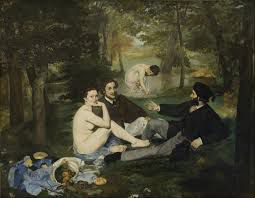

Rreaders of the blog, whose pages are like spring, today we will have a great protagonist of the Impressionist movement. But before I reveal his identity to you, I confess to feel excited because, probably, of all the Impressionists he was the most important and, if he had not been so stubborn as to reject all the aspirations of the father who wanted him employed in something else, we would never have had an exstraordinary artist.
I'm going to pick him up on our 500. Here he is, ladies and gentlemen: Edouard Manet.
- Hi Edouard, come on.
- Hi Walter, thanks for inviting me, where are we going?
- How about Piazza Navona? We sit in front of Borromini and look at Bernini's fountains (then we go to Pasquino).
- I accept, I trust you, I like your means of locomotion.
- Would you like a coffee? A sweet treat? A prosecchino?
- I'd really prefer a cappuccino.
- Fasten your seat belts, we'll be at the bar in five minutes.
- Matteo Gentili has installed a one hundred thousand watt solar panel and has put two pistons of a Lamborghini Miura, who knows where he will have found them.
- Edouard, here we are, do you know that we had other distinguished guests in this bar?
- I am pleased to. Come on, let's not talk about artists of the past, what is your first question?
- What do you think of modern art?
- Modern art does not exist, or rather, it would be good not to give it a classification. Art must be constantly evolving, which does not mean ignoring the production of the past but working on the continuous search for new languages. And users do not have to side with one style or another but only enjoy and assimilate the wind of passion transmitted by a piece of art.
Edouard Manet (Paris, 23 January 1832 - Paris, 30 April 1883)
As a young man he had the luck / misfortune of living in front of the Academy of Fine Arts, a fundamental point of reference for every artist. Lucky because he had his destiny at hand, unfortunate because in the family they stubbornly disapproved of his natural talent. Only a maternal uncle, who had recognized innate qualities in him, encouraged him to pursue his dreams. But his father wanted him to be a magistrate, and so Manet, at sixteen, thought of rebellion before enrolling in the Naval Academy, from which he was also rejected, then embarking as a deckhand on a commercial ship. The father accepted, Manet could do anything but the artist.
But the father had not considered the tenacity of the son. On board and on land in Brazil, after four months of sailing, Edouard filled notebooks and notebooks with notes and sketches.
On his return he tried again to enroll in the Naval Academy, rejected again. At this point the father, convinced that he had a failed son, exhausted by the obstinacy of the future prince of Impressionism, left him free to study art.
At this point Manet begins a new life, his only life, the one in which he could demonstrate his value and his true essence. After his studies, six long years of apprenticeship with an established artist, and after traveling to Holland and Italy, temple of art, in 1856, intolerant of his mentor's schemes, slamming the door, he left the atelier where he was employed.
Paris at that time is the paradise of art, realist art is supplanting painting linked to classical and mythological schemes, and Manet manages to refine and personalize his technique.
He shares the philosophy of Gustave Courbet and is appreciated by Delacroix. While recognizing their ideals, he prefers to keep away from the group of realist artists. He is too well educated to frequent the usual meeting places with them. Manet knows all the most popular artists but does not socialize, selects his friends carefully and, probably, thanks to Charles Baudelaire he finds the strength and courage to wander with his talent on canvases of great beauty which, however, presented in public are not appreciated.
But by now he has become a revolutionary. Breakfast on the grass and Olympia are his calling card, he is proving to be a great artist but he is unpopular with the public and all the critics who consider him mad. In this case the saying "for better or for worse as long as you talk about it" is appropriate. The more they speak ill of it, the more he is artistically on everyone's lips.
Manet is too sensitive. Not resisting the pressure, he leaves for Spain, where he does not find the inspiration he seeks. He returns home, now labeled a provocateur and nonconformist.
He has the support of writers and artists but he is alone against everyone, so he decides to team up with young emerging artists, rebels against official painting, among which, Pizarro, Renoir, Cezanne, Monet, Degas who give life to the Impressionist movement .
Manet is the leader but, having no phisique du role, nor the ambition to put any medal on his chest, he is the theorist detached with the headlights off, remaining in the shadow of the nascent successful movement. In the meantime, opposition to his modern art has gradually diminished, and he has regained credit on the art scene. Stopping on his theories, Manet paid a heavy price for his resisting attacks.
His physique debilitated by always going against the current, first against his father and subsequently against criticism, is weakened and exhausted. Between 1881 and 1882 he made the one piece of art emblem of his great talent and his last existential state: The bar of the follies Berger.
He died in Paris on April 30, 1883, now deceased, he receives great honours and recognition for his value.
This is how Edouard Manet expresses himself towards one of his latecomer admirers: "It could have been he who decorated me. He would have given me luck, now it is too late to repair twenty years of failure." Furthermore, ironically and bitterly, he told a critic who did not have the courage to tell the truth and admit his immense skill: "I would not mind finally reading, alive, the amazing article that will consecrate me after death".
- Edouard, why have you never tried to be a "genius and unruly" artist? It would have avoided you many sorrows.
- Walter, surely I would have overcome obstacles by acting crazy, instead I was taken for crazy by behaving in a formal and civil way. I had to raise my voice but I wasn't capable of it. Why scream and take my opponents by the collar when my art was so clear and natural? Actually, I was an honest and good person, but shy and reserved.
- Of course, the world in all eras is not for gentlemen, I believe that they did not see you favourably for an unconscious envy, a sort of jealousy. You proposed real life when the right-thinking people hid their mikschieves masked with respectability, double-faced hypocrites.
- Yes, but luckily art walks, walks, over the centuries it has always been like this, art walks and goes on overcoming the temporal barrier of ordinary mortals. Common mortals perish, art survives forever.
- Edouard, what do you think that flying thing is?
- It looks like a paper airplane hovering in the air.
- That looks like a pirouette.
- The round of death too.
-It comes towards us. It glides gently on this table.
- There are words written on it, Edouard, do you want to read them?
- I think fate made it fly, they are very intense words and written with true love, who is the author?
- It is written at the foot of the page ...
"Edward runs towards the bench and immediately recognizes the pink note from a notebook that he had given him and his writing, always so orderly and clear as to seem printed, caresses him, as if that sheet could transmit that fear and that affection, and he reads all in one breath ". Signed Mariateresa Scionti 1 + 1 = 1 Libereria editions
- What we have read and what has come to us from heaven is from a book and the author is called Mariateresa.
- Walter, I think this book is about a suffered love. Do you know that sometimes suffering depends on too much love? For example, my father loved me and wanted the best for me, his desire for love was so great that it blurred his sight, he didn't see that I was attracted to art, he loved me and he was afraid for me. My father knew that at his departure he could not protect me and therefore, following his standards, he preferred a peaceful and rewarding life for me. Instead he didn't understand that he hurt me, his was too much love, he certainly didn't want to harm me, he just wanted my good and I didn't have time to thank him and tell him that being an artist was what I wanted and that made me happy. Although I was misunderstood in my career, when I was painting I was happy and this was enough for me. Heaven sent these words to me, I want my father to read them too and maybe he will smile.
- Or weep.
- Sincere love agrees to laugh and also to cry, I think this is what Mariateresa Scionti means in her 1 + 1 = 1. In the end it is only the confirmation that this feeling is a simple and only word ... love ... Walter, I'm going to tell my father. Come on, let's get back in the car I have to reach him.
- Okay, that would be a nice happy ending. By the way, now here at the bar there would be a small bill to pay.
- Let's run, there is no time, leave it to the next artist, who will he be?
- I think a penniless young man.
- Don't worry, his art is worth gold.
- It is better that we leave. So, after the flight with Picasso, here at the bar they are resigned.
Readers of Signoradeifiltri I, Edouard Manet and Mariateresa Scionti greet you and look forward to seeing you at the next appointment and it will always be a pleasure.
Cinzia Diddi sostiene Prato

Raccolta alimentare del 1 Maggio 2020 all'insegna del tricolore italiano: dona pasta, passata di pomodoro e basilico e aiuteremo le famiglie più bisognose in questo difficile momento.
L’idea nasce sui social, proprio per il giorno della Festa dei Lavoratori, il nostro paese fondato sul lavoro, lavoro che in questo momento manca a tante famiglie a causa di questa pandemia. Il nostro piccolo gesto per regalare un sorriso e un aiuto a chi in questo momento ha bisogno.
“Ci siamo prefissati l’obbiettivo iniziale di 1 tonnellata, ma grazie alla generosità dei pratesi, dopo soli 5 giorni siamo arrivati a 1,5 tonnellate e le chiamate continuano ad arrivare. Siano entusiasti e molto orgogliosi di questo ottimo risultato, ma possiamo fare ancora di più.” Claudio Belgiorno
Le storie più belle di questi giorni: La Famiglia di Francesco Di Fiore, ex Campione Italiano, ha aderito all’iniziativa donando oltre 200 kg di Pasta e 100 kg di Passata di Pomodoro.
Una telefonata dalla Signora Carla, classe 1950, che, insieme ai condomini di via Caboto, quando siamo andati a ritirare, ha calato il cestino pieno di pasta e passata di pomodoro direttamente dal suo terrazzo, donazione fatta insieme a tutti i vicini affacciati con tanto di tricolore sui propri balconi, “è da 50 giorni che non usciamo ma abbiamo voluto contribuire alla raccolta alimentare Pasta Tricolore”.
La stilista pratese Cinzia Diddi, nota alla cronache non soltanto per il suo Luxury brand ma anche per essere la stilista dei vip, partecipa e sostiene questo progetto solidale con la donazione di pasta.
"Sono fiera di prendere parte a questa iniziativa. Donare rende migliori e fa bene al cuore." Queste le parole di Cinzia Diddi.
Gli alimenti raccolti entro il week end saranno divisi e consegnati all'Onls Stremao, alla Misericordia di Iolo, alla raccolta alimentare dei Giannini di Iolo, oltre a 20 parrocchie del territorio pratese, il tutto documentato da foto e video.
COME FARE A DONARE E A FISSARE LA CONSEGNA:
Per contribuire alla nostra raccolta, contattaci ai seguenti numeri telefonici per i punti raccolta:
Claudio Belgiorno 348.9106873 Carlo 339.5086543 Antonio 347.8237699 Emiliano 331.6559861 Alessio 347.3354662 Luca 345.7827998 Alessandro 338.7013295 Elena 339.5086543
Venerdì 1 Maggio, in occasione della consegna ufficiale degli alimenti, invitiamo anche il Sindaco a partecipare a tale iniziativa.
Claudio Belgiorno
