

/image%2F0394939%2F20190531%2Fob_6113d1_61425960-10216728261030327-19684367693.jpg)
Intervista con l'artista: Giacomo Balla
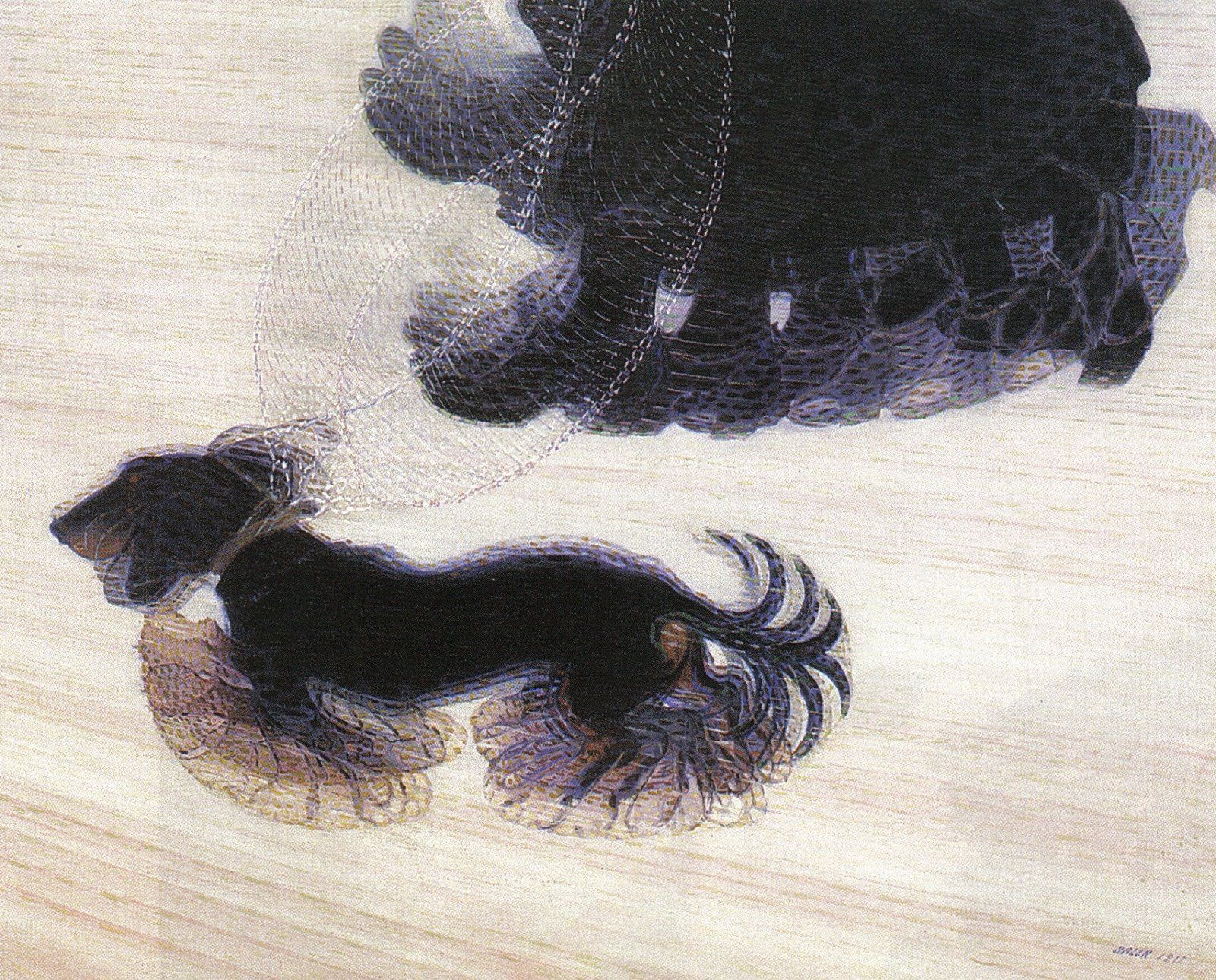

"Dinamismo di un cane al guinzaglio" di Giacomo Balla e l'omaggio di Walter Fest
- Giacomo, ora vorrei parlare con te di un'opera, un monocolore importante e rivoluzionario per quei tempi, Dinamismo di un cane al guinzaglio.
- Giacomo nel 2080 siamo diventati automi infelici?
Readers of Signoradeifiltri, welcome back to my appointment with art and with the blog always in orbit in the galaxy of culture. This must be an unfortunate period, because I have to go get the artist I will interview today. Unfortunately my means of locomotion are still broken down, we had to return the 600 bus to the pacifist nuns, we could not take advantage of their generosity, so today I just have to take the old 500, which starts only if it is pushed and, in these cases, who do you ask for help? But yes, you ask for help from a friend, wait a moment for me to call him.
- Hello Laurent.
- Hi Walter.
- I have a problem, you have to help me.
- What should we do?
- There is a 500 to be started, the starter does not go.
- Wait for me, I'm coming.
Dear readers, I am sorry for this setback, I realize that we are in 2080, in full science fiction, in full modern and super evolved era, but to us poor artists, if we want to move, all that remains is to push this small car miserably by hand. Luckily a friend of mine is coming: the poet Laurent.
- Here I am, what do we do?
- We push, come on, I get in the car and you push. I turn on, the engine starts, with the right hand I open the door and you, with a jump, enter.
- I begin to catch the catch: is that why you called me?
- Come on, it's a little help. And then, afterwards, I introduce you to a friend artist, we interview Giacomo Balla.
- Is he your friend?
- Laurent, I have a lot of high-ranking friends with fantasy. Come on, let's hurry up.
And with a snap of your fingers, the two @libereria artists start the 500 and go to meet Giacomo Balla.
- Laurent, with the famous artist from Turin we will make a return to the past, we will go back in time to talk about the present which is then the future. I know that this is a confused concept but, through fantasy, we will explain what will happen in 60 years. Here he is, in the company of his dog on a leash.
- Giacomo, welcome on board, I introduce you to a friend of mine, Laurent Vercken de Vreushmen.
- Hallo!
- Boy, just call me Giacomo. In short, Walter we are in the post futurist era, why did you come with this prehistoric car?
- Giacomo, that's what's available.
- Ah, I understand! That's why you went to Dalì with the nuns' minibus.
- Giacomo, that's another story. But you're right, we are in 2080 and technology is part of our life, it has facilitated our daily lives. What cinema had always anticipated as stage fiction has now become reality. Fortunately, in 2080, before we ran the risk of becoming slaves, we had time to take a few steps back. Virtuality, automation cannot replace us, this planet was born to be the home of every form of natural existence with a human dimension, technology must remain only a tool. Giacomo, are we talking about the Futurist movement?
- Walter, we were first of all men with a head, a heart, two arms and two hands to forge and shape the material. The myth of speed was the application of our theories, art has always been the forerunner of new languages, breaking the patterns of the past was our strength, our illusion. Futurism, like all artistic avant-gardes, had limited time to make way for new trends. See how everything turns? There never remains a situation of stainless static, it is the dynamic energy of our existence that moves together with the terrestrial globe, in an infinite vortex, at such a speed as to make everything seem invisible, in the almost loss of time cognition. There is only one thing that compacts us and harmonizes us with nature: color, an infinite range of shades, an intrinsic part of our DNA. Color is the heart of everything. Do you know that Italy is the most colorful country in the world? It is by its natural conformation, it is by its history, naturally by its art, there is no country in the world more colorful than ours.
Giacomo Balla, in 1895, left Turin for Rome and to experience the new Italian Divisionism of which, together with a group of young artists, his students, was an important promoter.
The early 1900s were years of great modernization, despite the belligerent period, art was very active.
Giacomo Balla, an unstoppable personality never tamed, laid the foundations of the Futurist movement. In those years, through an exceptional creative liveliness, he also created theatrical sets, furnishings, various accessories for daily use. All this with the new Futurist language, a dynamism above all, and more "colorful", to affirm a 360 ° universe projected towards the future. Giacomo Balla in this was one of the major protagonists.
Unfortunately, during those years, if on the one hand living tasted of modernity and relative well-being, on the other hand war drums were rolling. The artist could not help but get involved. Power has always used art and printing as communication tools. In 1937 G.B. felt the feeling that society was taking another route and that art was no longer a human feeling, but something excessively led to presumption, something that made color, the soul of our existence, a mere patina facade. He therefore decided to estrange himself from the change of his ideals, he pursued the matter with courageous intellectual honesty, undergoing, on the part of the official culture, the removal as a leading figure of Italian art.
After the war years, Giacomo Balla's work was deservedly re-evaluated worldwide. He had been a true master, creator of an artistic uniqueness, leaving a fundamental mark on the international cultural scene. In the following years he continued his artistic production, remaining a serious and passionate artisan of the art, he disappeared at eighty-six on March 1, 1958.
- Giacomo, now I would like to talk to you about a work, an important and revolutionary one-color for those times, "Dynamism of a dog on a leash".
- Dear guys, I had the awareness inside me of feeling a strong attraction for photography, which I thought was great news. I have always been an experimenter, I felt like a navigator discovering new lands and I could not remain indifferent.
- Giacomo, why the format of the work is almost square, with the dog in the foreground and the figure of the woman cut at the height of the legs? -
- It's easy, for a matter of freedom. I wanted to free the dog from the leash, ideally snatching it from the woman, tight, oppressed in her ankle-length ancient dress, which held her captive. A dress that accentuated, but at the same time concealed, the beautiful feminine and natural forms, while the animal, with the speed of its steps, hovering the leash wanted to speed up the legs and all the woman's personality towards a modernization of its customs and traditions.
As you can see the protagonist is the dog, which I have depicted in an oblique line upwards, seeing a distant horizon. My own signature is placed in the lower right corner, as author and man of this new epoch I follow with my graphic authentication that direction. I, transforming myself into an invisible being, crossing the time barrier, project myself, like a series of frames of a film in use to the camera together with the images imprinted on the cellulose, towards the future.
About the future. Oh yes, my boys, in 2080 we went too far, we carried humanity too far, dampening a beating heart, a universe of feelings, the fantasy that makes you happy with simple and genuine things, the joy of existing, and we fell in love with progress, with science superior to the human dimension, leading men and women to become unhappy automata and this was a serious mistake.
- Giacomo in 2080 did we become unhappy automata?
- Well yes, luckily we stopped in time, we were on the edge of the abyss, then the power of art magically aroused, through all humanistic expressions, that power that allowed us to separate technology from the true essence of humanity, an essence made of the five primordial senses that make us unique and happy. We managed to get the best out of the tools of science by simply remaining human. Like this car ancient outside but modern and hyper-equipped inside, which rises in flight, does not smoke and does not pollute, beautiful to live it humanly with the most pleasant and spontaneous of smiles.
- Laurent, what do you say?
- This futuristic discussion was delightful, to stay on topic can I delight you with a poem of mine?
- Laurent, I will listen to you with pleasure
The title is A little background genius.
- Hey boy, but this is a futurist poem!
- Thank you, said by an artist like you is a great compliment, even in my book Someone inadequate, under a mask of drama I built a heart that pulsates with optimistic enthusiasm, a dynamic action to awaken the torpor of a life now spent, the energy that turns on the light in my mind, my light that wants to illuminate the path of those who have lost hope.
- Laurent, you were born in the wrong period, if you had been in my time you would have had extraordinary success, but I wish you to get it anyway in this modern era, you are young and time is on your side.
- Giacomo, I promise you that I will try.
- But Walter, Jackson Pollock told me that on this futurist toy car you have a nice assortment of chocolates.
- Of course Giacomo, you can find them in the drawer of the mini bar.
- I don't seem to see them, but what is this? A jar? Why do you keep a jar?
- A jar?
- Yes, it is really a jar and above it is written "Artist shit"
- Ah, yes it is the work of Piero Manzoni.
- And you want to confront it with the chocolates you gave Pollock? Do you now know what I can do with this jar?
- But Giacomo it wasn't my fault if Pollock got all the chocolates. And then the jar is by Piero Manzoni for the next interview.
- Even if it is artist shit, now I throw it in your head so you learn for the next time.
- Giacomo, please don't, that jar is worth more than two hundred thousand euros!
-But Walter couldn't they have given him Cattelan's banana?
- Banana? Laurent, but what can I do if the artists are crazy?
- So let's go get some coffee, that's better.
- Giacomo, we can't, Salvador Dalì left the bill to pay.
- Guys, don't worry, we drink and then you have Piero Manzoni pay the bill. With what his work is worth you can afford to pay us a coffee, wow!
And so, friends, while I, Laurent Vercken de Vreushmen, Giacomo Balla and his dog on a leash, go and have a coffee, which we will then charge Piero for, we greet you and look forward to seeing you at the next meeting. I think you understand who we will interview.


"Shilde" (1988) Regia di Darezhan Omirbayev
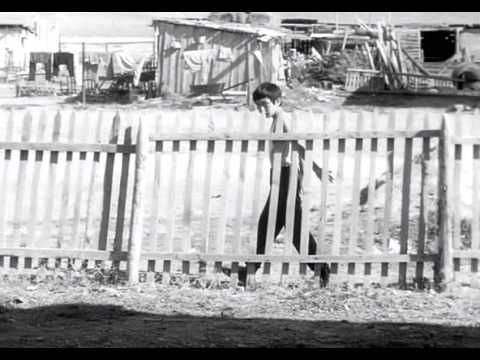
Con il cortometraggio Shild ("Luglio" in lingua kazaka) il regista Darezhan Omirbayev esibisce deciso il suo biglietto da visita e, di conseguenza, mostra fin da subito un concreto potenziale. Successivamente diventerà uno dei maestri del cinema made in Kazakistan.
In questo caso si parla di cinema sovietico, anzi, di morente cinema sovietico, visto che il crollo dell’U.R.S.S. risultava imminente. Nonostante la limitatezza dei mezzi tecnici a disposizione, il regisseur riesce a confezionare un gioiellino che, a mio avviso, ha dei richiami con il neorealismo e dove la trama è secondaria, infatti, il susseguirsi è “narrato” attraverso la prospettiva di due bambini che, a momenti, potremmo etichettare come Ladri di meloni.
A questo punto mi chiedo se Omirbayev non abbia tratto ispirazione, almeno parzialmente, addirittura prendendo in prestito alcune sequenze, da Ladri di biciclette di Vittorio De Sica. Ad ogni modo, l’atmosfera ricreata non lascia indifferente l’attento spettatore: povertà, doveri e tediosità quotidiana. I due bambini trovano soltanto un qualche stimolo col cinema, con delle ragazzate e giochi infantili. Oltretutto il finale presagisce come, globalmente, per grandi e piccini la condizione nelle steppe in Kazakistan rimane e rimarrà “arida”.
Vorrei segnalare che con “Shilde” è possibile fare i dovuti collegamenti con il successivo lavoro filmico del già citato kazako artista, ovvero il lungometraggio, Kairat, tanto da considerare il primo un prequel diretto, per via di alcuni dettagli che non mi sono di certo sfuggiti.
Il bambino assomiglia tantissimo all'adulto Kairat, entrambi interessati a opere filmiche, entrambi provenienti da una località pastorale/contadina piuttosto squallida, entrambi protagonisti di quell'essere non proprio incentivati, ed entrambi che si lasciano travolgere dall'uggiosità esistenziale a dispetto di un sole che irradia quei luoghi dimenticati da Dio. Cosa molto importante, è presente una sequenza onirica che si confonde con la realtà, indubbiamente tale espediente filmico viene preservato e sfruttato successivamente in maniera ancora più decisa col film appena menzionato, prodotto agli inizi degli anni novanta.
Quindi, assemblando il cortometraggio e il lungometraggio, sicuramente il risultato finale non lascia margini di dubbio, ovviamente, secondo una mia predisposizione da appassionato spettatore cinematografico.
Tra le varie cose mi sono focalizzato su come fin dall'inizio sia stata gestita la cinepresa, in quanto si sposta verso l'alto e intorno alla finestra, attraverso la madre addormentata e il ragazzo sveglio, per poi seguire il movimento pigro di una mosca che ronza. Che sia una sorta di colonna sonora sperimentale? Il movimento appare scandito ulteriormente appena il protagonista si alza dal “giaciglio”, dove è facile capire la sua situazione, l’ambiente, il ceto etc.
La scalcinato ed improvvisato cinema, in cui viene mostrato un melodramma musicale russo in stile Bollyowood, beh, Omirbaev continua ad avere buona padronanza di regia e sa “inquadrare” con professionalità, ad esempio lo sfiorarsi l’avambraccio quasi discreto tra i due fanciulli, elemento peraltro presente anche in Kairat.
In conclusione, direi che è uno di quei cortometraggi da visionare, adatto per molti ma non per tutti.
"Poesia" di Nicola Crocetti, una rivista unica
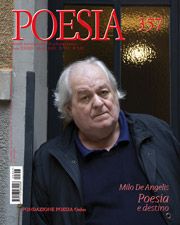
Se mi chiedono quale sia la rivista più bella che ancora resiste in Italia, la risposta nasce spontanea: Poesia. Sì, perché Poesia è un mensile internazionale di cultura poetica, con testi bilingue, giunta al numero 357, che esce ininterrottamente in edicola da trentatré anni. Lo so che probabilmente non ve ne siete accorti, distratti da Novella 2000 e Gossip 3000, oppure dalla ennesima rivista di cucina che insegna come cuocere i maccheroni o le orecchiette alla puttanesca. In ogni caso è vero, la trovate persino a Piombino (casa mia, è tutto dire), certo non in tutte le edicole, ma nelle migliori, spesso su ordinazione, in ogni caso arriva. Per meglio dire, arrivava, perché Poesia da maggio riprende il cammino invertendo la rotta, decidendo per un ritorno in libreria, cambiando periodicità da mensile a bimestrale, raddoppiando le pagine e diventando una vera e propria rivista - libro. Troverete Poesia nelle librerie Feltrinelli, perché l’editore passerà da Fondazione Poesia Onlus a Feltrinelli, ma la garanzia di continuità verrà dalla direzione editoriale curata dal grande Nicola Crocetti, l’uomo della poesia in Italia, esperto di letteratura greca, traduttore e deus ex machina di un’operazione incredibile così fuori dalle mode, ma proprio per questo indispensabile. Ho tra le mani Poesia 357, numero di marzo, che celebra la fine di un’epoca, l’addio alle edicole e il passaggio in libreria. Il piatto è ricco, per questo mi ci ficco, da amante della poesia e modesto traduttore di ispanici. In apertura leggo un bel servizio su Milo De Angelis (curato da Lorenzo Chiuchiu, Davide Brullo e Cinzia Thomareizis) che ha appena pubblicato Poesia e destino (Crocetti, pp. 172 euro 15), segue Massimo Bacigalupo che presenta Louise Glück (in tedesco e italiano), quindi Nino Muzzi con Jakob Van Hoddis e Nicola Crocetti con la poetessa greca Katerina Anghelaki-Rooke. Nel numero 356 avevamo incontrato Silvio Ramat, uno dei nostri ultimi grandi poeti, che ha appena pubblicato In cuor vostro e altri versi (Crocetti), mentre qui leggiamo (lo confesso, per la prima volta) le francesi Christofle de Beaujeau, Louise Colet e il cubano Nicolás Guillén (il poeta nazionale), tutti in lingua originale, con relative traduzioni. Poesia è un piccolo gioiello, così come è ammirevole la produzione editoriale di un coraggioso editore come Crocetti, del quale ricordiamo alcuni titoli tradotti da Nikos Kazantzakis: Zorba il greco, Rapporto al greco, Francesco, Ascetica o I salvatori di Dio. Leggete Poesia e sostenetela. Ha bisogno di lettori e di nuovi abbonati. (http://www.poesia.eu/)
Gordiano lupi
www.infol.it/lupi
Una casa di vento: incipit


Disegni di Walter Fest
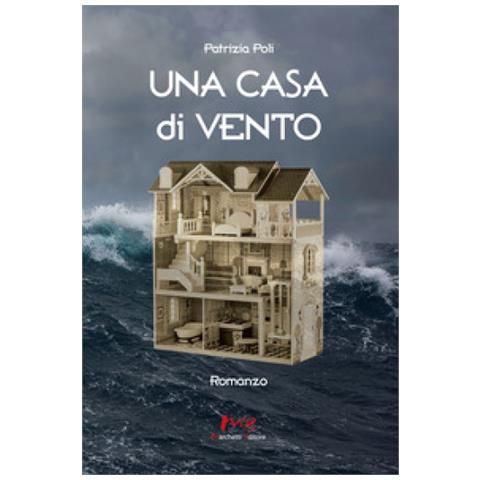
Incipit de Una casa di vento di Patrizia Poli
Sale la scala a piedi, senza accendere la luce. Gli par di sentire Michela: «Hai tanto insistito per l’ascensore e ora non lo prendi?». Gira la chiave ed entra, lo accoglie la vampa dei termosifoni, s’infila in camera di suo figlio, subito sulla destra, con la porta spalancata perché devono averlo a portata d’orecchio anche mentre dorme. Si lascia cadere ai piedi del letto, il respiro pesante di Loris dà spessore al buio.
«Babbo.»
«Dormi, ciccio.»
«Perché ci hai messo tanto a tornare?»
«Ho fatto un giro, si sta bene fuori.»
«Volevo salutare il nonno.»
«Poi un giorno ti ci porto, ora dormi, è quasi l’alba. Cazzo, hai di nuovo la tosse.» Gli sistema il lenzuolo sotto il mento, poggia le labbra sulla fronte che è appiccicaticcia, sgradevole, calda. «Buonanotte, per quel che ne resta.»
«Buonanotte, babbo.»
Spera che si riaddormenti, che non stia sveglio nei suoi laghi di sudore, nelle sue tossi convulse che grattano la gola. Va in camera sua, si spoglia, lascia cadere gli abiti sul parquet, tutti in un mucchio solo, sa che domani Michela si arrabbierà anche per questo, ma adesso non importa, adesso è così e basta. Si stende accanto a lei. Odori e scricchiolii prendono corpo dall’oscurità. Il ticchettio della sveglia, il puzzo dei calzini che ha tenuto su tutto il giorno, la tosse di Loris, secca e raschiante, il gatto che russa fra le gambe di sua moglie. Non saprebbe dire se lei dorme o fa finta, in ogni caso è molto tardi, è stanco e non gli va di parlare. Gli occhi, però, rimangono aperti e si adattano pian piano all’oscurità della camera. Comincia a intravedere il profilo di Michela. La frangia liscia arriva fino al naso, che è grosso, la bocca è come un taglio nella faccia, solo il labbro inferiore è carnoso, l’altro è sottile, lungo. Ha un accenno di doppio mento che s’intensifica non appena ingrassa. La conosce a palmo a palmo, anni fa la percorreva con la lingua dalla fronte alle dita dei piedi, imparando il sapore dei suoi orifizi, dei suoi umori nascosti, della sua pelle, delle prime increspature che non erano ancora rughe. Ora lei non ha più un odore suo, sa di bagnoschiuma, di candeggina, di gatto. Un piede lo sfiora poi si ritrae, è freddo, con le unghie che tagliano.
Lei sente il suo sospiro e si gira nel letto, si è svegliata o forse non dormiva. Non apre bocca, però, non lo consola. Lui avrebbe tante cose da dire, le parlerebbe di come suo padre gli metteva una mano sulla spalla solo per farsi fotografare, di quando gli strappò la maglietta di dosso per punirlo, di come non era mai contento dei voti che portava a casa, di quella volta che lo sgridò perché, colorando l’album, era andato fuori dai contorni. Parlerebbe anche volentieri di tutti quei silenzi a cena, della mano di sua madre che stringeva la padella così forte da far cadere la frittata. E pure del famoso materasso, sì, che suo padre insisteva per portarlo giù, nel fondo dove trascorreva tutte quelle ore di pomeriggio dopo il lavoro, e sua madre a chiedergli perché non lo butti e perché ti fai sempre la barba dopo mangiato. Parlerebbe di tutte queste cose per vedere se quel blocco di pietra che ha sul cuore potrebbe spostarsi un pochino. Prima lei lo avrebbe anche ascoltato, pure tenendolo abbracciato, a quei tempi là, quelli della Uno. Ora gli direbbe solo: «Me l’hai già detto, che ci vuoi fare, è così.»
In una notte come questa, la notte che hanno appena tumulato tuo padre in quello schifo di loculo di cemento, Cristo santo, non dovresti fissare il soffitto, dovresti stare fra le braccia di tua moglie che ti dice «piangi amore mio sfogati», come si vede nelle fiction. A quel tempo là parlavano, quando fermavano la macchina sulla strada del Castellaccio - e la macchina non era quella di adesso e nemmeno quella prima, era la vecchia Uno - in quel posto dove di notte si vedono tutte le luci della città e delle navi in rada. Allora stavano mano nella mano per tutto il tempo, si guardavano la bocca, si baciavano. La lingua di lei cercava la sua, prima come un guizzo sulla punta, poi a fondo, fino alla gola, fino al palato, e lui rispondeva subito, la stringeva, la stritolava. E si raccontavano ogni cosa, parlavano fitto, le lucciole entravano dal finestrino, accendevano l’abitacolo d’estate, i fiati appannavano i vetri d’inverno, in macchina c’era odore del vino che avevano bevuto, del profumo di marca che lei si metteva, di sudore buono. «Chissà come saranno i nostri figli, chissà dove saremo noi fra qualche anno» gli diceva lei. Qui siamo, cazzo, qui, in questa stanza che hai arredato tu e ora non ti piace, con te che smani per le caldane e Loris che si gratta e respira male. A quei tempi lo avrebbe consolato, lo avrebbe stretto al cuore, magari avrebbe anche pianto con lui. Di piangere, lei, ha smesso da tanto. La musica si è spenta, l’amore evaporato come acqua di mare rimasta fra gli scogli. Quando l’acqua se ne va, rimangono cristalli aguzzi e amari, rimangono denti di cane che, se ti ci siedi sopra, strappano il costume, rimangono erbe marine che bucano, forse non sono erbe ma bestie con le chele, rimane il sale, proprio preciso a quello che lasciano le lacrime sulla pelle.
Dentro si sente come se avesse attraversato il deserto dimenticando a casa la borraccia. Il viso s’inumidisce, suda ghiaccio nella camera surriscaldata. Sono costretti a tenere quella temperatura per Loris, ma l’autunno è mite, un novembre che sta per diventare dicembre senza che nessuno se ne accorga, dicono che il freddo, però, quello vero, sia in arrivo a giorni. A suo padre il freddo dava parecchio fastidio negli ultimi tempi, stava ingobbito nella poltrona, non si voleva lavare. Francesco si annusa le mani, ci sente l’odore dell’olio con cui hanno lucidato le panche della chiesa e anche la bara. Forse usano lo stesso prodotto per tutto quello che è collegato alla morte. La bara è entrata nel loculo con una traiettoria sicura, forse l’unica certa della vita. Lui ha guardato Michela, sperando di vedere qualcosa, di cogliere uno di quei tic che indicano turbamento, magari anche solo la gola che deglutisce, ma lei aveva la solita espressione di sempre. Michela fa tutto quello che deve fare ma poi te lo rinfaccia, con gli occhi, con la postura del corpo. E lì lui si è spaventato, ha capito che si muore, che un giorno ti svegli ma non vai a letto la sera, apri il diario ma non ci scrivi, apri bocca ma non respiri, come suo padre all’ospedale che spalancava la gola e si sentiva il rumore attraverso la laringe. Ha capito che toccherà anche a Loris, che succederà presto, e che loro non possono farci nulla. Lui è padre ma non può proteggere suo figlio, non può difenderlo, può solo aspettarne la morte, che è innaturale, fuori dall’ordine normale delle cose. Ma stanotte deve accantonare per un momento persino il pensiero di Loris e concentrarsi solo sul proprio padre, congedarsi da lui come si deve. Di parole fra loro ce ne sono sempre state poche. Suo padre era quello che montava in silenzio le ruote del triciclo e poi stava a guardare mentre lui andava su e giù ai giardinetti spelacchiati della Questura. Quando si voltava, lo vedeva distratto che si fissava le scarpe.
Si gira nel letto, dà la schiena a sua moglie, prova a dormire. Lei soffia nel buio, forse sospira o forse è stato il gatto, o il primo inizio di vento dietro la tapparella.
Ormai è giorno, c’è una luce grigia che sporca la camera. Si alza, va in bagno a urinare, si prepara un caffè con la macchinetta a capsule compatibili. Michela si è alzata prima di lui e ora gli dà le spalle, con i polsi affondati nella schiuma del lavello.
«Il bimbo?»
«Dorme, meno male.»
«E allora lascialo dormire, non fare tutto quel casino. Perché non dai la via alla lavastoviglie invece di rigovernare?»
«Per due piatti? Non c’eri ieri sera a cena. Non ci sei mai.»
«È morto mio padre, te lo sei scordato? Avevo bisogno di un po’ d’aria, di schiarirmi le idee, di stare da solo.»
«Se eri da solo, non lo so.»
«Sempre gli stessi discorsi del cazzo.»
Lei si volta per metà: «Stare insieme a te è come lanciarsi tutti i giorni a testa bassa contro un istrice. E io sono stufa, stufa, stufa di dissanguarmi. Voglio un po’ di pace. Non mi va di litigare sempre.»
«Nemmeno a me, ma siamo quello che siamo.»
Vederla dibattersi come una farfalla intrappolata sotto il bicchiere della sua indifferenza gli procura una certa soddisfazione sadica, deve ammetterlo. «Io vado.»
«Sì, è meglio.»
Esce senza nemmeno radersi. Il gatto si piazza accanto alla porta e lo fissa, come per chiedergli dove vai così presto, dove cazzo vai tutti i giorni a quest’ora, che bisogno c’è di uscire all’alba se l’ambulatorio apre alle dieci? Ma non ce la fa a rimanere, non ce la fa vedere Loris che si sveglia e comincia subito a sudare e tossire, che lo guarda con quegli occhi imploranti. E non ce la fa a rimanere con lei, perché dovrebbe trovare parole diverse, parole morbide che non gli escono più di bocca da tanto tempo, dovrebbe avere il coraggio di toccarla, di stringerla fra le braccia e chiederle: «Com’è che ci siamo ridotti così? Siamo noi, cazzo, siamo ancora noi, Francesco e Michela, siamo tu ed io.»
Arte al bar: Salvador Dalì
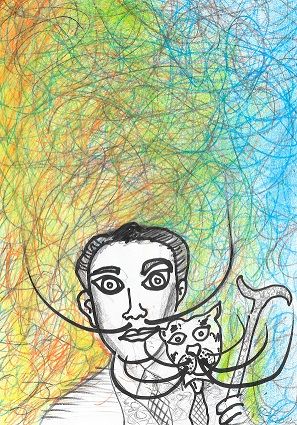
Disegno di Walter Fest
Readers of signoradeifiltri, welcome back to our artistic habitat, today we will meet a great artist but, unfortunately, we have a problem: all my means of locomotion have left me, I don't know how to go and get it, I need help and the only one who can run to our rescue is Matteo "spark", the writer from Foligno. Now I phone him.
- Matteo, only you can help me!
- Hi Wà, what happened?
- The 500 is brokent, the Vespa, after I had it driven by Picasso, has a crooked fork, the Guzzi is painted all pink with a green tank and, if he sees it, he gets pissed and gives it up, I have to go get him in 10 minutes and I don't know how to do it, please come up with an idea!
- There is the 600 minibus of the nuns of the convent of the pacifists.
- Ah! So?
- Then we steal it, but then we bring it back.
- Basically, we are on a mission on behalf of God!
- I know this joke, come on, let's not waste time, let's go to the convent, dressed all in black so as not to catch the eye!
- Like priests?
- What are you saying, like Diabolik! But didn't you read the comics? I recommend you also dye your face black!
- And how do I do this?
- With Giotto markers, but do I have to tell you everything? What kind of artist are you?
- I'll be right back!
Walter Fest and Matteo "Spark", the writer from Foligno, disguised as Diabolik, with Giotto's face tinged with black, are about to scrape the nuns' minibus, and then go running to pick up today's artist.
- With a jump we climb over the wall of the pacifist nuns, with a painter's spatula we open the door, Matteo the writer attacks the wires of the ignition lock, I start, there is full of fuel, we are going to start and ...
- But you're just too clumsy!
She is the abbess nun and has a large club in her hand.
- Take the keys and make no noise, of course you are really two idiots, the youngest here is 105 years old. It's a life we don't drive, instead of scratching it you could have asked.
- Sister, let's run, we have to take an artist!
- Well ?! Are you going to take him with a 600 minibus? And then who would this artist be?
- That's what designed the chupa-chups brand.
- The lollipops?
- Yup.
- Come on, don't keep him waiting. And when you bring it back I want it repainted.
- Like Pollock?
- On Sunday both of you come to confession, lazzaroni!
- Well, let’s go, the nun is still holding the club!
And thanks to the ecclesiastical recommendation, we start and in a flash we are with him, who is he? But it's easy, it's Salvador Dalì and he's waiting for us at the bar.
- Master, welcome, thank you for accepting our invitation.
- I have been waiting for you for an hour.
- Master, sorry, can we offer you a good coffee?
- Yes, but first I would like some pretzels, with olives, chips and a dry Martini.
Fortunately, Gianni, from behind the counter, saw the scene and in a flash brings us everything.
- So what do we want to talk about?
- Master, would you tell us brief notes about your life?
- Excuse me, what do you care?
- Maybe our readers are interested in your history.
- Do you want me to tell you something very frankly?
- Sure.
- Very well, then you must know that those who approach a work of art must not know anything about the life of an artist. These people only have to care about the pleasure, the taste of seeing the work done. They can study it, admire it, they can be led to reflect, they can dream, but to know the life, death and miracles of an artist, what would it do?
- Can you help us solve the dilemma?
- If the public were interested and enchanted by our love stories, passing through our human disasters, and therefore attracted by our fortunes or existential misfortunes, they would go into confusion. But aren't you tired of this crazy curiosity you call gossip?
- Without doubt the historical episodes have always influenced the artists, without popes and patrons your renaissance would not have been born, pass me the chips.
- Would you also like some cubes of Parmesan?
- After, after ... Here, you see, art must be admired, enjoyed, lived, contemplated. Art is part of the universe, consequently ,who cares who I was the son of, my love story, my performances, my travels, my mustache?
- Master, but if art is part of the universe, who is the artist?
- Let's say that the universe is the crumbling medium with which you arrived, let's say that you have no fuel in the tank and therefore it is a static vehicle.
- So?
- And then the genius of the artist intervenes, which is the fuel of the universe, it is the energy that lights up the colour, develops the vital power that illuminates people and makes them alive, an unstoppable explosion of perpetual motion, the humanity that merges with nature. Art puts the whole context in order and in disorder, creating balance and imbalance for your joy, in the continuous search for poetry and happiness.
- Maestro, speaking of poetry, I would like to introduce you to Matteo Gentili.
- And who is he?
- A writer, a poet who has music in rhymes.
- Boy, you should cut your beard, it ages you and makes you look, with all respect for the category, as a barber. But let's go on, what else would you like to ask me?
- Master, can you tell us about your style?
- I have no style, my painting is magic, if we have to talk about style that must refer only to my person, I am an object made of style, and the problem for others is that I am inimitable. Come on, try to imitate me! And do you want to know why I am shaped by my style?
- Of course we are curious.
- I wanted to be free, freedom is a great thing. Do I want to wear yellow trousers? I wear them. Do I want to wear a pair of fake shoes? Even if I am a painter, do I want to make a film? I can. And then I love to be photographed, because photography is a beautiful invention. But above all, I wanted to have fun, laugh, be cheerful, a mood that allowed me to paint and represent what escapes you humans and, without caterpillars in the head, to free my boundless fantasy. I admit it, I was a great worker of art, but still playful. And then the artist must not be too serious. Aren't politicians, academics, anchormans on all the pulpits of the globe enough?
- You were a surrealist.
- Yes and even the only one, although the movement was formed by a group of valid painters, I was “the” surrealist. Do you understand the difference?
- Let's imagine so. Master, what do you think of the other artists of that period who shared that path with you?
- Brilliant, capable, talented, daring, able to break with the art of the past, but held back by money, by the urgent need to satisfy critics and merchants to sell their works, a border that, if not crossed, precludes you to dive into the indefinite. Not that I didn't love money and success, but I didn't want to fix my mind on earthly matters.
- And you, detaching yourself from the crowd, created your myth.
- It was easy because I was born a myth, since I was a child I had my ideas and then, like many others, I was predestined. Do you see these hands?
- Yup.
- They are like those of a magician. I drew and painted magic. But you were asking me about the moment when I detached myself from the rest of the painters of the surrealist group, with whom there were divergent points. I am not a lone wolf, I have always worked with many other artists, photographers, directors, writers, advertisers, the only condition for collaborating was to have fun and be visionary.
- Master, did you also draw and receive inspiration from other artists?
- How to remain indifferent to the beauty of art produced by other artists of the past? I believe that the whole real and unconscious universe is a huge ocean of energy, which we must all draw on. I have never copied or imitated anyone, I have only drawn on that energy necessary to create new ones. Boy, what's wrong? You look nervous.
- Matteo, tell him about the poem.
- Master, would you like to hear a poem of mine?
- Sure, is that why you're nervous?
- You know, I'm kind of emotional.
- Boy, I read in your eyes that you must have a great energy inside, strength, let me feel your art.
“In the vast expanse of crazy diamonds I searched for memories without finding them.
Yet these thoughts shone like stars in the sky
But a man cannot
a man does not know
a man loves what he sees
So these thoughts turned into memories
savor the gestures of a heart in turmoil "
- Well done, good Matteo. And so you too dig with abstraction in the maze of your unconscious to talk about love. I know about love. Do you know that I have loved a woman for over fifty years? How is this poem titled?
- What title would you give her?
- Synthesis of a synthetic love.
- But you're a genius!
- I know!
- Matteo, tell him about the book!
- Boy from Foligno, did you also write a book?
- Yes, someone. It is published with @libereria: The stories of a stranger.
- You will be successful, but cut your beard and, since you are nice, I will allow you to make yourself a mustache like mine. And when you go to the presentations of your work, you keep this same charisma. Be anxiously emotional but real and spontaneous, this thing people will appreciate. But what do we do now?
- Actually we should bring the 600 back to the nuns.
- I understand, give me a ride to the bus stop. Hey, boy from the bar, I recommend you not to accept money from these two, marks the drink on Giacomo Balla's account. Come on, come on, my wife is waiting for me.
Friends, before returning the vehicle to the pacifist nuns, Walter Fest ,Matteo Gentili and Salvador Dalì thank you, greet you and look forward to seeing you at the next interview with the artist. And it will still be a pleasure.
"The only difference between me and a madman is that I am not a madman" Salvador Dalì.
Volcano

Il Vulcano, che sgradito regalo natalizio ci fece a noi poveri acitorriani.
Quel magma, quel maledetto magma che senza pietà si mise a sfrigolare e a bollire come se fosse acqua caldissima derivante da un mefistofelico bollitore, tramutandosi in una implacabile ed impressionate lava rossa tanto da associarla a quella dell'Inferno dantesco.
Ho scolpito nell'anima ogni singolo fotogramma di quel drammatico giorno, a cominciare da quel fumo che via via si innalzava sempre più in alto sulla mia città collocata alle pendici dell'Otna. La quiete prima della tempesta, anzi, prima dello sfacelo, fondamentalmente una seconda Pompei.
All'improvviso, sentii i miei occhi bruciare in maniera pazzesca finché un’angosciante oscurità color ardesia imprigionò il sottoscritto assieme agli altri cittadini di Aci Torre in un misto di stupore e tensione fino ad arrivare alla temutissima eruzione seguita dal terremoto. Ci fu un parapiglia inaudito e una cacofonia di urla strazianti accompagnata dai pianti lancinanti dei bambini. La gente per ovvi motivi si prodigò a correre a destra e a manca, chi addirittura nel fuggi fuggi generale venne travolto dalle automobili.
L'Otna, senza troppi complimenti sparò una silurata lavica ad un'altezza incredibile, in una sorta di orgasmo, tant'è che gli zampilli e le colate apparivano come sperma rosso ed incandescente, mirati a distruggere tutto e tutti. Gli spruzzi sottili di lava scottante scivolarono via dal Vulcano alla massima velocità. Erano inarrestabili.
La paura mi paralizzò totalmente e restai a guardare quel magnifico e al contempo orrendo spettacolo. Non durò molto, dal momento che una voce interiore mi esortava a sbloccarmi e di conseguenza ad agire. In fondo ero ancora molto giovane ed avevo una vita davanti.
Le ceneri e i gas riempirono gravosamente l'aria, mi tappai la bocca con la mano e, durante la fuga, posso assicurarlo, il cuore mi pompava a mille, peraltro assai motivato a non arrendermi, infatti avrei sputato sangue e cenere pur di non lasciarmi sopraffare da quel gigante impietoso.
Irreversibilmente fiumi di roccia fusa si addentrarono sull'inerme città sottostante sciogliendo nel loro percorso qualsiasi cosa ovvero scuole, parchi, case, supermercati, monumenti ed altre infrastrutture. Numerose bombe vulcaniche vennero catapultate dalla montagna sempre più instabile ed eccitata, procurando una moltitudine di esplosioni.
In fase conclusiva la gigantesca fontana di lava guadagnò “terreno” sia in lunghezza che in larghezza, insomma metri quadrati completamente coperti. Lo sleale e spietato Vulcano vinse con estrema facilità.
La terra si spaccò ed inciampando caddi al suolo come un sacco di patate per poi strisciare e dimenarmi.
«Sto morendo?» mi chiesi sul punto di svenire.
Da quel preciso istante, credo di aver pianto e pregato, non ricordo bene, ed infine il buio. Una volta che riaprii gli occhi, con grande sorpresa mi ritrovai al Policlinico con i medici e gli infermieri piuttosto affaccendati. Gli angeli col camice bianco, (così li soprannominai) con i dovuti strumenti mi monitoravano costantemente temperatura, battito cardiaco e pressione sanguigna.
Mi spiegarono che ero riuscito a sopravvivere al disastro, in quanto una pattuglia della polizia municipale, composta da un uomo e una donna, in extremis, mi avevano caricato di fretta e furia nella loro auto di servizio in direzione per Bessina. Mi commuovo nel pensare che, nonostante la gravità della situazione, i due agenti non esitarono neanche un secondo a mettermi in salvo anziché tirare avanti, se non fosse stato per loro a quest’ora non sarei qui a scrivere questo racconto. Con entrambi sarò eternamente in debito.
Ora vivo a Copenaghen, a migliaia di chilometri di distanza dalla mia regione perennemente a rischio di fenomeni tellurici. Sono felicemente sposato con Anne e ho due figli, Erik e Susanne.
Qui non c’è nulla da temere.
INTERVISTA CON L’ARTISTA JOHN ATKINSON GRIMSHAW (Leeds 1836 – 1893)
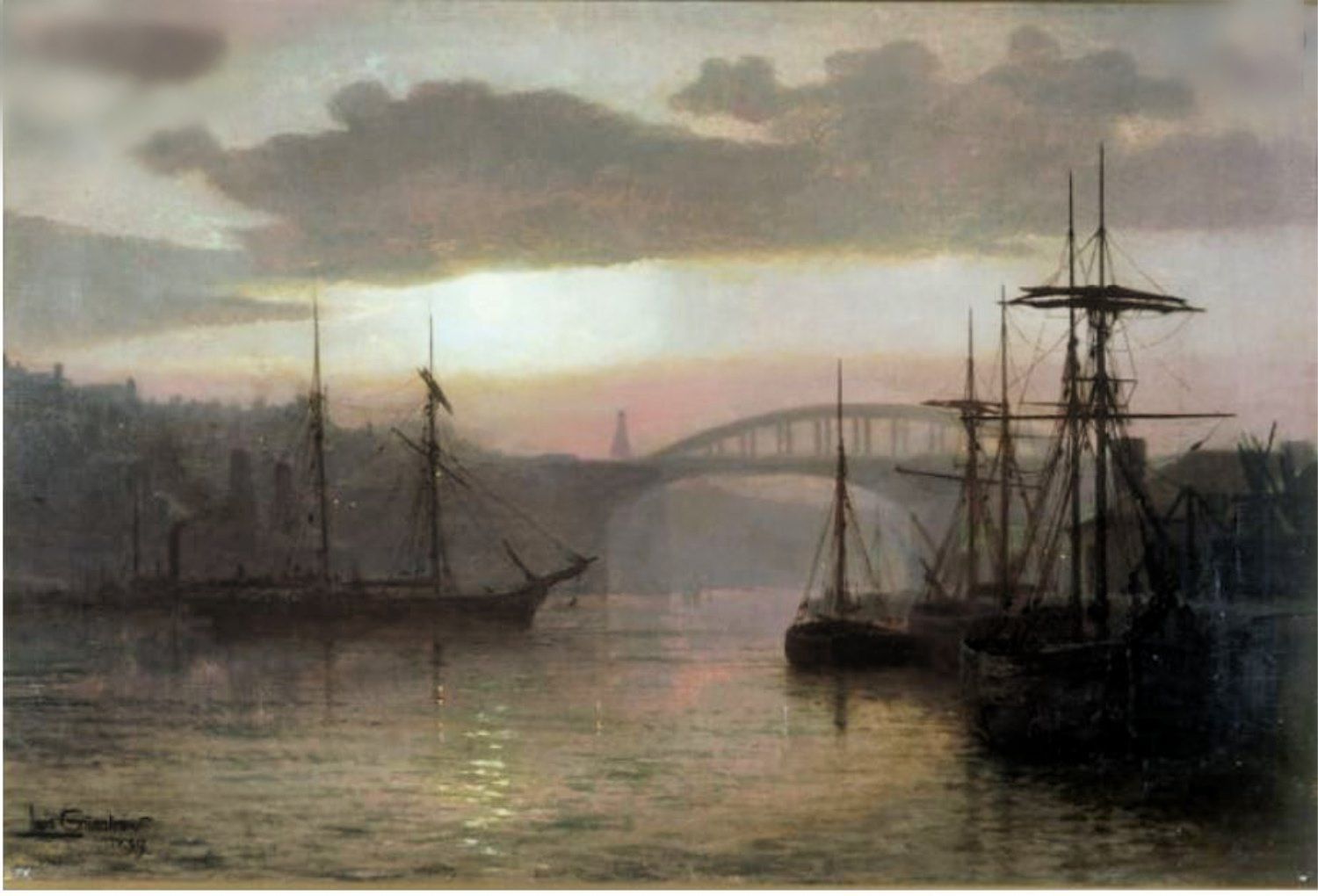
Readers of signoradeifiltri, the blog that sails like a sailboat in the sea of culture, here I am, back to you in the company of a new guest, surely only a few of you you know him, and it will be a great pleasure for me to introduce you to him, but first you have to wait me to pick him up with my Vespa. Today there is a beautiful sun, we are in spring and the health emergency does not exist in our imagination. There he is, I see him, I brought a Viking helmet for him. Who knows if he will like it, I also brought a copy of one of his works and we will talk about it together.
- Hello.
- Hi Walter, as usual you're late, Pollock had told me that you would keep me waiting.
- It wasn't my fault, the Vespa had a dirty spark plug, a flooded carburettor and a clogged muffler.
- Why didn't you come with the Fiat 500?
- All the artists I interviewed have run out of stocks of chocolates and coffee.
- Ah, so what do we do now?
- I thought of going to get coffee and then take you to see the Colosseum what do you say?
- Okay, but don't run.
- Put your helmet on and let's go.
- But this helmet has horns!
- Yes, like a Viking. Why, don't you like it?
- Fortunately, there is no one who will see me.
- I say you're fine, come on, let's go.
Every time I go out on a Vespa with the artists, the helmet never gets a nod of approval. Yet they are artists, they should be extravagant, I begin to believe that they are just normal people with a low sense of humor, nobody is perfect.
Vrooommmm ... A few minutes by road and we arrived at our destination.
- Walter, do you know why I like Italy?
- I can imagine it ... Because you eat well?
- Walter, why are you so banal, everyone had spoken so well about you!
- I was kidding! Come on, I want to hear it from you.
- The light, you have a fantastic light, you don't need lighting, even in the dark, light creates a crazy harmony, and gives you a great emotional charge. I'm a bit of a cold guy and I'm comfortable here.
- I decided to interview you because a Scottish friend of mine recommended me. She is your fan, she likes your romantic spark. Instead, I like your works more.
- What?
- The depth, the breadth of the image and the sign, such a clean sign.
- What about the colour? Does the colour tell you nothing?
- Well, yes, the colour is also fascinating, but your works seem a single colour, I hardly see reds, blues or pinks.
- Walter, now I will explain, the use of colour was my business card, or, better said, my poetry. The people who could afford to buy my works wanted first of all works that represented the places of the time in an elegant form, free of dirty, violent or dramatically real images. And that was what I did, in short, I made a photograph colouring it with poetry and a touch of romance.
- You had a very refined technique.
- Let's say I had a very steady hand, and then consider that I am very calm, methodical, without emotional impulses. In just over twenty years I was an employee, a classic dandy, dressed neatly, and punctual like a Swiss watch.
- And how did you become an artist?
- Many of us have a dual personality, I was externally cold, but in my heart and in my soul I saw and felt different atmospheres, musical lyrics with warm and comforting background colours. I had no impetuous classic impulses like "genius and unruliness", but I was a disciplined and imaginative artist, and yet capable.
- It is true, your works are a mix of fantasy and photographic rationality, is it possible that you have never been tempted to change?
- And what would it do? That was me, myself, one with the work I was going to do and that, after years, gave me fame, success and economic gratification. My exaltation was not in experimentation but in the satisfaction of letting the observer enter into my work and to make him live the emotions he wanted to experience. And, modesty aside, even without school and teachers, I did well. And my children became appreciated artists and you know that children hardly follow in the footsteps of their parents.
- Yes, I understand, but let's go back to your works, as I said, I really like your large formats, I would define them as pictorial cinemascope, you are also famous for the brightness of your moons and reflections on the water.
- The secret was a steady hand, working in absolute silence. Before placing the brush, I closed my eyes to imagine the scene, paying attention to the smallest detail, using high quality tools and products that were not lacking in my part and, in addition, a lot of love. Without love we don't go far and my love was made exclusively of poetry, a gentle breeze that warmed my heart and gave me the serenity necessary to work at my best.
- What would you do if you went back?
- First of all I would stop smoking and sniffing tobacco, then I would do everything I did again. I'm honest, I wouldn't even have been eager to know the Impressionists. Too transgressive for my taste, maybe at best I could have gone for a ride in Japan.
- Japan? Not a bad idea. Look John, it's getting late, we didn't have a coffee and we didn't even see the Colosseum.
-Walter, how about going for a Neapolitan pizza with red wine and an evening stroll in the light of the stars with your Vespa?
-Neapolitan pizza and red wine? John, weren't you a cold guy?
- Yes, but your pizza and red wine are very good!
Ladies and gentlemen of our beloved blog, John Atkinson Grimshow and I greet you. We go for a pizza under the shining moon and look forward to seeing you at the next surprise interview.
Vincenzo Zonno, "L'ultimo spettacolo"
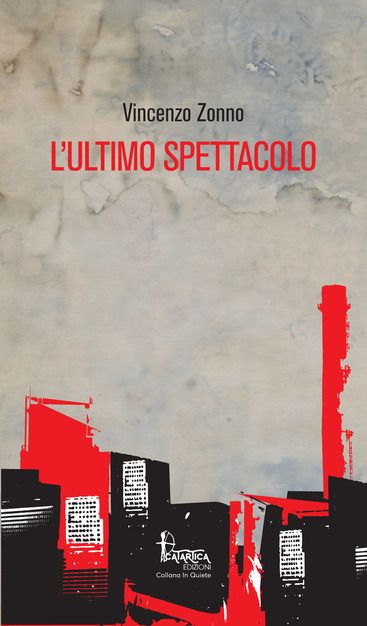
L’ultimo spettacolo
Vincenzo Zonno
Catartica Edizioni, 2020
Pp 192,
14,00
Ormai Vincenzo Zonno ci ha abituato al proprio stile superlativo (a parte piccolissimi errori, forse solo refusi) di cui riveste e ammanta il suo surrealismo, che mescola a vari generi letterari, dal romanzo storico, all’horror, qui, nello specifico, alla fantascienza.
Al solito, confesso di non aver capito molto della trama del tutto onirica – e di non aver nemmeno avuto interesse a comprendere - ma di essere stata colpita dall’ambientazione. In un futuro ucronico e distopico, dove tutto è controllato dal governo centrale, i cittadini sono indottrinati e spiati attraverso gli schermi della televisione. Ogni cosa è artificiale, l’erba è sintetica, i fiori sono di stoffa, il profumo viene spruzzato da erogatori nascosti, ci si sposta a bordo di grandiosi dirigibili. Ogni aspetto della vita è diretto e amministrato dal governo. Le relazioni amorose sono regolamentate, persino la religione e l’accesso al paradiso esigono una tessera. Per decidere se si è colpevoli o innocenti c’è un elaboratore elettronico che esamina i dati degli interrogatori e stila il giudizio finale. È stata riammessa la tortura e la pena di morte viene comminata senza rimpianti. Persino i mali di stagione sono disciplinati dall’alto.
I cittadini vivono (o, meglio, vegetano) sollevati dal pensiero di scegliere e di ragionare con la propria testa, è tutto semplice, asettico, freddo. Solo il sogno li salva. Come nel film Matrix, non si sa qual è la realtà e dove finisce l’immaginazione. Non si sa chi crea cosa, chi plasma chi. Chi dorme e chi è sveglio. Chi è carnefice e chi vittima. Forse "sogno quindi sono"?
La realtà è piatta e asfissiante, ma c’è “l’ultimo spettacolo” messo in scena per Rebecca, un tempo insegnante di danza e che ora non può nemmeno spiegare a una bambina come si balla. Una bellissima performance su un palcoscenico. Un mondo parallelo fatto di arte fantasmagorica che sublima la bruttezza del reale.
I personaggi del romanzo sono vari e strani. Harpo, un tizio che viene accusato d’omicidio ma non si può interrogare perché dorme. Un elettricista che uccide la gente. Rafaela, una ragazza morta su una panchina. Rebecca, la ex di Harpo. Carl, il delegato che indaga sull’omicidio di Rafaela, incarnazione fisica del travet, della burocrazia spersonalizzata. Convergono e si mischiano, entrano ed escono dal sogno, dal racconto che uno dei protagonisti sta scrivendo, dalla mente confusa del lettore.
Una scrittura bellissima ma, come già detto, volutamente al servizio di trame sempre più da teatro dell’assurdo. Un romanzo di nicchia, frutto di autoerotismo letterario, diretto a chi ha voglia di faticare, ricostruire, far combaciare i pezzi del puzzle. Zonno, è così. O lo si odia o lo si ama. Devo ancora decidere.
Arte al bar: Pablo Picasso

Disegno di Walter Fest
- Dai, mettiti il casco che andiamo a prendere il caffè.
Per fortuna tutto fila liscio, ma la prossima volta prendo la 500, Pablo Picasso guida come un torero, ci sediamo al tavolo.
- Pablo, se tu non avessi fatto l'artista, che cosa avresti fatto nella tua vita?
Dear reader of signoradeifiltri, today we will have a spring edition, it is 8.30 am, I am waiting for an artist that I have to interview, we will go to the usual bar to have breakfast and then with my Vespa I will take him for a ride around Rome. My pistachio green Vespa is ready, my friend Mario has informed the bar tender that we will arrive with an illustrious guest, first I will offer him a hot coffee. I know that the interview will not be boring, static and formal. I see the artist who arrives: Pablo Picasso.
- Hi Pablo.
- Hi Walter.
- Come on, put on the helmet, we're going to have coffee.
- Yes, but I'll drive.
I'm afraid, he has a grim look, it's better to go along with him and not say no to him.
- Okay, but go slowly, can you put this helmet on?
- Hey, Walter, but this is a centurion helmet!
- Pablo, we are in Rome.
- Yeah, if we were in Venice, would you put a gondola on my head?
- But you look like Julius Caesar.
- We don't even talk about it!
After a heated dispute, Pablo Picasso agrees to put the centurion helmet on his head, in exchange for going to the Trevi fountain like Marcello Mastroianni, let's go ... broooommmm!
Fortunately everything goes smoothly, but next time I’ll take the 500, Pablo Picasso drives like a bullfighter, we sit down at the table.
- Pablo, if you hadn't been an artist, what would you have done in your life?
- Bueno, good question, I would have been undecided between the policeman and the barman, two occupations to be in contact with people. Logically, I left it to fate, we cannot hinder fate, each of us has a task, mine was to be an artist.
Two beautiful girls go by and Pablo looks at them.
- Pablo, good things are better than bad things.
- Claro, it's a question of sensitivity. That formidable ability we have to be attracted by everything that emanates harmony and poetry. Life is fascinating, spectacular, and humanity has the good fortune to live surrounded and immersed in the wonder of nature. Art has the duty and obligation to manifest everything that surrounds us through fantasy and technique, everyone must do their own to make our existence poetic.
- Pablo, not everyone has this sensitivity and, in any case, something less beautiful is always present.
- Diablo! And we artists must separate the bad images, selfishly built from the hands of man, from what is the universal language, directed towards a good way of life that makes humanity happy. It is true that we must also highlight brutality and miserable human weakness, as if we were a book open to all, we artists, messengers and apostles of creation.
- When you made Guernica were you very angry?
- No, more than angry, look me in the face, touch here, squeeze without fear of hurting me.
He takes my hand firmly and makes me touch his left biceps. Pablo Picasso has exceptional musculature.
- I was a fury, I made that painting moved by a beastly inner strength, each touch of brush a blow against the absurdity of inhumanity. It was like shooting an anti-war film, a dramatic black and white film with no other colours, it was useless to show blood and flaming colours, have you ever seen a black and white film?
-Yup
- In the contrast between those two tones there was the maximum of expressiveness, if I had used the colours it would have been a work like all the others and, instead, I had to impress the people, the same ones who rule the world without thinking about the sufferings of the innocent people. Unfortunately, some, too tied to the interests of a few, have not understood the lesson and armies are still playing war.
Cabrones! ... Barman bring me a gazzosa ... cabrones all!
- But everyone?
- Yes, all cabrones!
Pablo sips the gazzosa and lets out his anger, I try to make him talk of personal and romantic matters.
- Have you had a lot of love affairs?
The answer is a clear affirmative gesture, narrowing his eyes like a fawn in love.
- I liked women a lot, I looked at them!
- And music?
- I worked too hard, I didn't have time for music, but I liked it, oh yes, if I liked it. If I had been from this era, I would have liked the Beatles, a little rock, a little romantic, even if they didn't show it. They were muy loco like me, and besides, with all that hair, they were also nice, but I confess that even without their baronet helmets I had a certain charm.
- You traveled the world.
- Oh yes, but I could do more, it was a long way. You know, sometimes I felt master of the world but, in the end, you realize that you were just passing through and this thing made me a little sad. Luckily I have always worked a lot and canceled negative thoughts with my creativity, but I have no regrets. My art was a fantastic personal language and universal language, I did what I wanted as a child, I had fun and, even if you struggle to savor the pleasures of life, then you enjoy poetry and you feel at peace with yourself. Too bad that you remain only a pawn on the board, but with a heart swollen with passion. Of course it's worth living! When he is strong and sincere, El corazòn makes you see the light of existence without limits!
- Pablo, which work are you most fond of?
- Walter, what question is it? It's like asking if you love mom or dad more, I loved all my works. It was a continuous search and exchange of love with them, in each of them I left a part of me, I can't say that I loved one more than another and do you know why?
- Yeah, why?
- Because my works were me and I was them, so it's like saying that we lived in symbiosis and I was a little selfish, huh! I loved myself very much!
- Would you have liked to be a futurist?
- No amigo, a movement of confusing colours, brilliant but confusing, and then these futurists were too dreamy, reckless, obsessed with myths. The speed? Modernity? The super ego of the man who rules the earth, the seas, the sky? No amigo, I hold poetry tightly, don't you see how much poetry inebriates us with its sight and its perfume?
- Pink period?
- Yeah, I saw what the others couldn't see and I was happy to have painted it. Ask me about Dali.
- Pablo, what do you think of Dali?
- Ahahahah ... I'm glad that I stole him a lot of women, I always beat him on time, but I valued him and he esteemed me. Great scoundrel, with a small format work he has crossed the barrier of time and has become famous and immortal.
- The persistence of memory.
- Yeah, a small enigmatic and visionary picture, only a great artist like him could make it ... Now we have to go, did you bring the money to pay the bill here at the bar?
I open my wallet, I have five euros, a few saints and an expired bus ticket between the cobwebs. We hadn't told you but while we were talking, we had six coffees, five sugary donuts, a box of Tuscan cigars, a sambuca, a soda and a whiskey.
- Ahahah ... I think we're in trouble now, come on, let's go.
- Without paying?
- It is claro, start the Vespa, I jump on and off we go to see the Sistine chapel and, later, the Trevi fountain, for swimming.
Vroooommm !!
Readers of the blog kissed by the rays of the sun of culture, yes, Pablo Picasso and I fled with the Vespa and did not pay the bill at the bar. It was not our fault... I forgot ... The bath in the Trevi fountain can only be done by Picasso and I, if you want, follow us with your imagination.
Antonia Pozzi, "Tu sei l'erba e la terra"

Tu sei l'erba e la terra
Antonia Pozzi
Garzanti Editore, 2020
Tu sei l'erba e la terra di Antonia Pozzi (Garzanti Editore, 2020) è una dichiarazione indistinta di solitudine sfumata nel disincanto dell'anima, appassionata e struggente, in un'unica e sconfinata poesia d'amore che la poetessa ha rivelato per tutta la sua breve vita. La nostalgia, l'arrendevole passione, la ritualità evocativa delle sue confessioni, sono il terreno propizio custodito nei versi, avvolti da un'apparente quiete di grazia e rassegnazione, assorbiti nell'essenza crepuscolare e nella dissolvenza espressionista della malinconia. Le parole, commosse e orgogliose, sostengono la perdizione dell'assenza. La poesia di Antonia Pozzi accoglie il sortilegio dell'impulsività avvicendando il ricordo di una condanna sentimentale, nella sua passione per il suo amato professore, con il suo corteggiamento infelice e tormentato, consumato dal dolore e da un'aspettativa non corrisposta. I testi sono salvifico intervallo nella dilatazione emotiva e richiamano l'autentica e trascinante forza magnetica della natura, conforto originario di serenità e grembo di affinità romantica, oltrepassano le stagioni ostinate delle promesse e della dignità riconosciuta “sulla via dei luoghi amati”, dove l'avvenenza sussurra, sincera e fedele, l'estetismo poetico nello specchio dei movimenti sinuosi delle adorate montagne. La poetessa è testimone della riservata e rigorosa decadenza che addensa l'ostilità delle ombre e scava nelle atmosfere desolate dello spirito. Il mondo, elegantemente violento e superbo, è fatto di desideri e illusioni, si nutre di lacrime e di attese e la poesia visiva di Antonia Pozzi è un'immutabile e rarefatta inquietudine scandita dallo squilibrio degli indugi. Il destino della poetessa non ha via d'uscita se non nell'unico finale possibile e stringe intorno a sé l'esasperata povertà della sostanza di un sogno infranto, di una lacerante lusinga di chi desidera il ritorno alla vita, al vivere in poesia. I versi ascoltano il respiro di una sacrificata sensibilità, affondano nella memoria il rovescio di una pena abbracciata all'esistenza ferita. Le poesie di Antonia Pozzi giunte solo postume tornano a far luce e rumore da “un'esile scia di silenzio”. Presagio rappresentativo è la fatalità improvvisa di chi muore giovane e suicida condividendo nell'intreccio al male di vivere che accomuna altre importanti poetesse, l'impossibilità di colmare il vuoto interiore, premeditato nell'incompatibilità della disperazione di una morte intenzionale.
Rita Bompadre - Centro di Lettura “Arturo Piatti”
https://www.facebook.com/centroletturaarturopiatti/
Lampi
Stanotte un sussultante cielo
malato di nuvole nere
acuisce a sprazzi vividi
il mio desiderio insonne
e lo fa duro e lucente
come una lama d'acciaio.
S. Margherita, 23 giugno 1929
------------------------------------
Sfiducia
Tristezza di queste mie mani
troppo pesanti
per non aprire piaghe,
troppo leggére
per lasciare un'impronta -
tristezza di questa mia bocca
che dice le stesse
parole tue
- altre cose intendendo -
e questo è il modo
della più disperata
lontananza.
16 ottobre 1933
-------------------------------------
Pensiero
Avere due lunghe ali
d'ombra
e piegarle su questo tuo male;
essere ombra, pace
serale
intorno al tuo spento
sorriso.
maggio 1934
Convegno
Nell'aria della stanza
non te
guardo
ma già il ricordo del tuo viso
come mi nascerà
nel vuoto
ed i tuoi occhi
come si fermarono
ora - in lontani istanti -
sul mio volto.
29 maggio 1935
-------------------------------
Brezza
Mi ritrovo
nell'aria che si leva
puntuale al meriggio
e volge foglie e rami
alla montagna.
Potessero così
sollevarsi
i miei pensieri un poco ogni giorno:
non credessi mai
spenti gli aneliti
nel mio cuore.
8 giugno 1935
